close
Choose Your Site
Global
Social Media
Views: 0 Author: Site Editor Publish Time: 2026-04-09 Origin: Site


Choosing Door Knobs may seem simple, but it often leads to confusion in real situations. Different types, materials, and functions can affect comfort, privacy, and durability. In this article, you will learn how Door Knobs work, what types exist, and how to choose the right option for your space.
When we choose Door Knobs, it is not just about how they look. It directly affects how we use the door every day. A wrong choice can feel uncomfortable, wear out faster, or even fail to meet privacy needs. That is why understanding different types is practical, not optional.
Convenience in daily use
We open doors many times every day. If the knob feels smooth and easy to turn, it improves the whole experience. In high-use spaces like offices or kitchens, this matters even more. Poor-quality knobs can become stiff or loose over time, which creates frustration.
Privacy and function matching
Not every door needs the same function. Bedrooms and bathrooms require privacy knobs. Hallways or closets do not. If we install the wrong type, it either adds unnecessary complexity or lacks needed security. Matching function to room is one of the first decisions buyers should make.
Durability and long-term value
Materials and structure determine how long Door Knobs last. FOACHI offers aluminium, zinc alloy, and stainless steel options, which helps buyers choose based on usage level. For example, stainless steel is better for heavy traffic or humid areas, while aluminium works well for interior spaces.
Appearance and space consistency
Door knobs are small, but they affect the whole interior style. Finish and shape should match the door and room design. FOACHI provides finishes like matte black, brushed, and polished, which makes it easier to keep a consistent look across multiple rooms.
Key factors buyers usually compare:
| Factor | Why It Matters | Practical Impact |
|---|---|---|
| Function | Defines usage type | Privacy, passage, or entry security |
| Material | Affects durability | Longer lifespan in high-use areas |
| Finish | Impacts appearance | Matches interior style |
| Usage frequency | Determines strength needed | Prevents early wear or failure |
We usually start with function, then move to material and finish. That order helps avoid wrong decisions.
Many buyers compare Door Knobs with other door hardware, especially lever handles. They look similar at first, but they serve slightly different needs. Understanding this difference helps us choose the right option for each space.
Grip and usability
Door knobs require a turning motion. This works well in most homes. Lever handles are easier to push down, which can be more convenient in some cases. However, knobs still remain a popular choice for standard residential use because of their simple structure.
Style and design flexibility
Door knobs often give a more classic or compact look. They fit well in both traditional and modern interiors. Lever handles tend to create a more modern or commercial appearance. FOACHI’s material and finish options allow knobs to adapt to different styles without losing functionality.
Application differences
In residential settings, knobs are widely used for bedrooms, closets, and interior doors. In commercial spaces, both knobs and handles are used depending on design and usage needs. FOACHI’s hardware system supports both types, which helps buyers maintain consistency across projects.
Quick comparison of Door Knobs vs other hardware:
| Feature | Door Knobs | Lever Handles |
|---|---|---|
| Operation | Twist to open | Push down to open |
| Design style | Compact, classic | Modern, elongated |
| Typical use | Residential interiors | Commercial and accessibility-focused areas |
| Maintenance | Simple structure | Slightly more complex |
When we understand these differences, it becomes easier to decide where Door Knobs fit. They are not outdated. They are still a reliable and flexible choice in many environments.
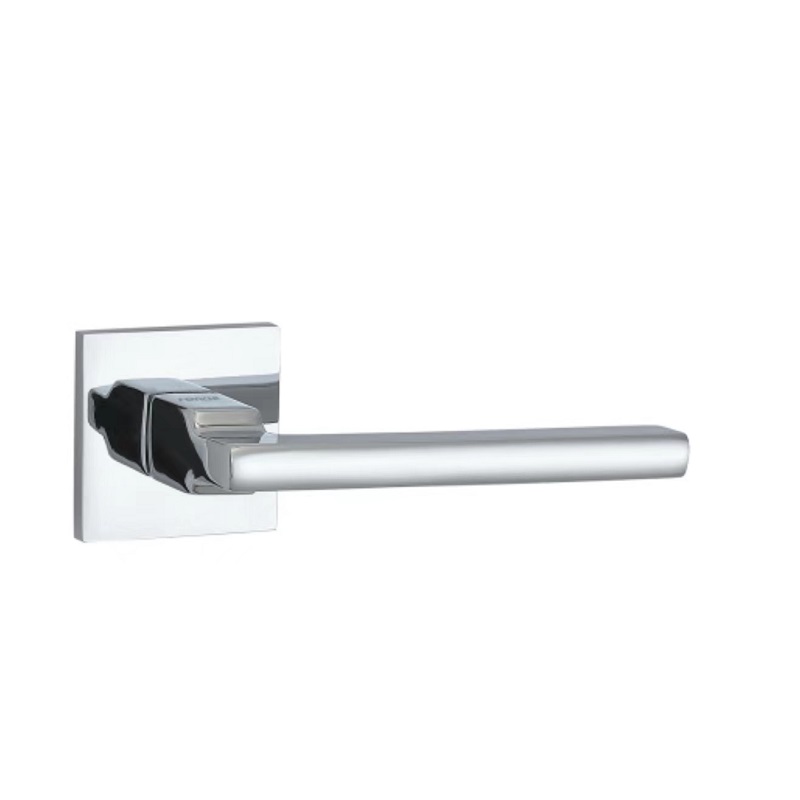
Passage Door Knobs are the simplest type. They do not include any locking mechanism. We usually install them in areas where privacy is not required. Think about hallways, closets, laundry rooms, or connecting doors between spaces. They are designed for smooth opening and closing, not security.
Where we use them most
They work best in low-risk spaces. For example, closets or storage rooms do not need locks. Using passage knobs here keeps things simple and efficient. It also reduces cost compared to locking options.
Why they are common
They are easy to install and maintain. Fewer internal parts means fewer problems over time. FOACHI’s material options like aluminium or zinc alloy make them lightweight and durable for everyday use.
User experience advantage
We turn them quickly, no need to think about locking. This makes them ideal for high-frequency use areas where convenience matters more than control.
Privacy Door Knobs include a simple locking feature. They are not designed for high security, but they give enough privacy for daily life. We usually see them in bedrooms and bathrooms. They often use a push-button or turn-lock mechanism inside.
How they work in real use
We lock them from inside. Outside, they can be opened using a small tool in emergencies. This keeps safety and convenience balanced. It prevents accidental lockouts from becoming serious problems.
Where they are most useful
Bedrooms need quiet and personal space. Bathrooms require privacy during use. In both cases, privacy knobs provide just enough control without adding complex locking systems.
Balance between security and simplicity
They are not for entry doors. Instead, they focus on comfort and ease. FOACHI’s zinc alloy and stainless steel options help improve durability, especially in humid bathroom environments.
Quick comparison of passage vs privacy Door Knobs:
| Feature | Passage Door Knobs | Privacy Door Knobs |
|---|---|---|
| Locking function | No | Yes (simple lock) |
| Typical use | Hallways, closets | Bedrooms, bathrooms |
| Security level | None | Basic privacy |
| Maintenance | Very low | Low |
Dummy Door Knobs are different. They do not turn or latch. They are fixed in place and used mainly for pulling or decoration. We often install them on pantry doors, cabinets, or double doors where only one side needs a functional latch.
When we choose dummy knobs
Sometimes we only need a handle for appearance. In decorative doors, matching hardware creates a clean look. Dummy knobs help achieve this without adding unnecessary mechanics.
Typical installation scenarios
They are often mounted on one side of a door. For example, on a closet door where a magnetic catch is used instead of a latch. They also appear on inactive doors in double-door setups.
Design over function
Buyers choose them when style matters more. FOACHI’s finish options like matte black or brushed surfaces make them useful for maintaining design consistency across a project.
Exterior Door Knobs are built for security and durability. They include keyed locking systems. We use them on entry doors, front doors, and sometimes office access points. Compared to interior knobs, they must handle more stress and exposure.
Key differences from interior knobs
They include stronger internal mechanisms. Lock cylinders provide controlled access. They must resist forced entry attempts and frequent use. This makes construction quality very important.
Material and environmental resistance
Exterior doors face weather changes. Rain, humidity, and temperature shifts affect performance. Stainless steel is often preferred because it resists corrosion better. FOACHI’s stainless steel hardware fits well in these conditions.
Security and durability focus
We expect longer service life from exterior knobs. They should remain stable even after many cycles of use. A good finish also protects against wear and keeps appearance consistent over time.
Functional overview of Door Knobs types:
| Type | Main Purpose | Locking | Common Locations |
|---|---|---|---|
| Passage | Easy access | No | Hallways, closets |
| Privacy | Personal space | Yes | Bedrooms, bathrooms |
| Dummy | Decoration or pull | No | Cabinets, pantry doors |
| Exterior/Keyed | Security | Yes (keyed) | Entry doors, offices |
When we choose Door Knobs, material is often the first real decision. It affects weight, durability, and how the knob performs over time. FOACHI organizes its product range around three core materials. This makes selection more practical and easier to compare.
Aluminium Door Knobs
They are lightweight and easy to handle. We often use them for interior doors where heavy-duty strength is not required. They resist corrosion well, which helps in kitchens or indoor humid spaces. For modern homes, aluminium also gives a clean and simple look. FOACHI uses this material for projects where cost, appearance, and basic durability must stay balanced.
Zinc Alloy Door Knobs
They feel more solid in hand. We choose them when we want both strength and decorative value. Zinc alloy allows more detailed designs and smoother finishes. This makes it popular in apartments, offices, and hospitality interiors. FOACHI positions zinc alloy as a middle-ground option, combining durability and refined appearance.
Stainless Steel Door Knobs
They are the strongest among the three. We rely on them in high-traffic areas or exterior doors. They resist rust, moisture, and wear better than most materials. In coastal or industrial environments, stainless steel becomes the safest choice. FOACHI’s stainless steel hardware fits well for long-term use where durability matters most.
Material comparison for Door Knobs:
| Material | Weight | Durability | Corrosion Resistance | Best Use |
|---|---|---|---|---|
| Aluminium | Light | Medium | Good | Interior, modern spaces |
| Zinc Alloy | Medium | Good | Medium | Decorative interiors, offices |
| Stainless Steel | Heavy | High | Excellent | Exterior, high-traffic areas |
We usually start by asking where the knob will be installed. Then we match the material to that environment. This avoids early wear or replacement.
Finish is not just about color. It affects maintenance, touch feeling, and how the knob looks after months of use. FOACHI offers several finish options, and each one serves a different purpose in real environments.
Matte Black
It looks modern and clean. It hides fingerprints better than glossy finishes. We often choose it for minimalist or contemporary interiors. It works well in both residential and commercial spaces.
Brushed Finish
It has a textured surface. Small scratches are less visible over time. This makes it practical for high-use areas. It also gives a softer, less reflective appearance.
Polished Finish
It is bright and reflective. It creates a more decorative effect. However, it shows fingerprints more easily. We use it when appearance is more important than low maintenance.
Satin Nickel
It sits between matte and polished. It is easy to clean and matches many interior styles. This makes it a safe and flexible choice for mixed-use projects.
PVD Gold Finish
It offers a premium look. It also provides better surface protection compared to standard coatings. We choose it for high-end interiors where visual impact matters.
Finish comparison for Door Knobs:
| Finish Type | Appearance | Maintenance Level | Fingerprint Visibility | Suitable Style |
|---|---|---|---|---|
| Matte Black | Modern, soft | Low | Low | Minimalist, modern |
| Brushed | Textured, subtle | Low | Low | Commercial, practical |
| Polished | Bright, reflective | High | High | Decorative interiors |
| Satin Nickel | Balanced | Medium | Medium | Versatile, mixed use |
| PVD Gold | Premium | Medium | Medium | Luxury interiors |
We usually think about maintenance first. Then we match the finish to the room style. This helps keep the hardware looking consistent over time.
Style is where many buyers start, but it should not be the only factor. A good design works together with function and material. If one part does not match, the whole setup feels off.
Modern and minimalist spaces
We often choose simple shapes and matte finishes. Clean lines help the space look organized. Aluminium or stainless steel knobs fit well here.
Classic or traditional interiors
Decorative shapes and warmer finishes work better. Zinc alloy is often used because it supports more detailed designs. This helps create a richer visual effect.
Commercial and office environments
Style must be practical. We focus on durability and easy maintenance. Brushed or satin finishes are common because they stay clean longer.
Matching across multiple doors
Consistency matters. When we use the same style and finish across rooms, the space looks more professional. FOACHI’s range supports this by offering multiple finishes under the same material system.
We usually combine three things: function, material, and finish. When they align, the Door Knobs feel right in both use and design.
When we choose Door Knobs, we should always start from real usage. Different rooms create different expectations. If we ignore this, the knob may look right but feel wrong in daily use. A practical choice always connects function, frequency, and environment.
Bedrooms and bathrooms require privacy
We usually need a locking function in these spaces. It should be simple to operate from inside. At the same time, it must allow emergency access from outside. This balance keeps both safety and comfort. If we use a passage knob here, it cannot meet daily needs.
Closets and storage areas focus on simplicity
These doors do not need locks. Passage knobs are enough. They reduce cost and avoid unnecessary mechanisms. We open these doors often, so smooth operation matters more than security.
Living spaces and interior doors need balance
In living rooms or connecting doors, we care about both design and comfort. The knob should match the interior style. At the same time, it must feel stable in hand. This is where FOACHI’s aluminium and zinc alloy options work well.
Commercial and public spaces require durability
Offices, hotels, and public buildings see frequent use. The knob must handle repeated operation without loosening. Stainless steel becomes a better choice here. FOACHI positions it for high-traffic and demanding environments.
Usage frequency affects material choice
We should think about how often the door is used. High-frequency doors need stronger materials. Low-use doors can focus more on design and cost. This simple logic helps avoid early wear.
Even a well-designed Door Knob will fail if it does not fit the door. Compatibility is not complicated, but we need to check a few key points before buying. These details directly affect installation and long-term performance.
Door thickness must match the knob range
Most knobs are designed for standard door thickness. If the door is too thick or too thin, the hardware may not secure properly. FOACHI provides standard fitting ranges, which helps reduce this risk.
Spindle size connects both sides of the knob
It must match the internal mechanism. If the size is incorrect, the knob may feel loose or fail to turn smoothly. This small detail has a big impact on performance.
Backset determines knob position
It is the distance from the door edge to the knob center. If it does not match the existing hole, alignment issues will appear. FOACHI offers common backset options, making installation easier.
Door opening direction matters
Some installations depend on left or right opening. This becomes more important when locking systems are involved. Ignoring this can lead to improper installation.
Latch or mortise lock compatibility is essential
The knob must work with the existing locking system. If they do not match, the door may not close or lock correctly. Checking this before purchase saves time and effort.
Durability defines how long Door Knobs can perform without problems. We often overlook this at the beginning, but it becomes critical after months of use. A strong knob keeps its structure stable and its surface intact.
Cycle testing shows long-term performance
It tells us how many times the knob can be used. High cycle ratings mean better reliability. FOACHI highlights this to support both residential and commercial needs.
Corrosion resistance protects against environment
Humidity, air, and daily contact can damage the surface. Stainless steel performs better in these conditions. It resists rust and maintains structure over time.
Finish protection affects appearance and lifespan
A strong finish prevents scratches and fading. Matte or brushed finishes also hide fingerprints better. This keeps the knob looking clean even after frequent use.
Maintenance should stay simple
We prefer knobs that are easy to clean and require little adjustment. Smooth surfaces and stable materials reduce effort over time.
Service life impacts long-term value
A durable knob reduces replacement frequency. It saves cost and avoids repeated installation work. Choosing the right material from the start makes a clear difference.
Choosing Door Knobs depends on function, material, and fit. FOACHI offers aluminium, zinc alloy, and stainless steel options. Their products provide durability, style flexibility, and reliable performance for homes and projects.
A: Door Knobs include passage, privacy, dummy, and exterior types for different uses.
A: Choose Door Knobs with privacy locks for safe and simple daily use.
A: Stainless steel Door Knobs suit heavy use, while aluminium fits light interior use.
A: Frequent use and weak materials cause Door Knobs to loosen or fade.
A: Yes, Door Knobs are easy to install if size and backset match.