close
Choose Your Site
Global
Social Media
Views: 0 Author: Site Editor Publish Time: 2026-06-16 Origin: Site
Are your door handles and locks lasting as long as they should? Doors Hardware Maintenance is key to longevity. Proper care keeps locks, hinges, and handles secure and looking great. In this post, you’ll learn essential tips to maintain your door hardware for security and style.
Table of Contents
Regular cleaning plays a big role in keeping door hardware looking great and working well. How often you clean depends on how much use the door gets and the environment around it. For most homes or offices, cleaning hardware once a month is a good rule of thumb. In places with more dust or pollution, you might want to clean more often.
Use soft cloths or microfiber towels to wipe down the hardware. These materials help remove dirt gently without scratching surfaces. Avoid rough sponges or brushes, which can damage delicate finishes.
Harsh chemicals and abrasive cleaners are a no-go. They can strip protective coatings or cause discoloration. Instead, stick to mild soap and warm water for routine cleaning. Apply the soap solution to your cloth, wipe the hardware, then rinse with a damp cloth and dry thoroughly.
Different hardware finishes require special care:
Brass and Copper: These metals may develop a natural patina over time. If you want to keep the original shine, use a polish made specifically for these metals. Avoid harsh chemicals that can damage the finish.
Chrome and Stainless Steel: Mild soap and water usually work well. Avoid bleach or acidic cleaners, which can cause corrosion or dullness.
Painted or Powder-Coated Hardware: Use only gentle cleaners to prevent peeling or fading of the finish.
Drying hardware completely after cleaning is key. Moisture left on the surface can cause water spots or rust, especially on metals prone to corrosion.
In summary, regular cleaning with soft cloths and mild cleaners helps maintain both the look and function of your door hardware. Tailor your cleaning approach to the specific finish to avoid damage and keep everything shining.
Selecting the proper cleaners for door hardware is crucial to keep it looking fresh and working smoothly. Using the wrong products can dull finishes or even cause corrosion. Here’s how to pick gentle cleansers and care for different materials.
For everyday dirt, mild soap mixed with warm water usually does the trick. When grime is tougher, avoid harsh chemicals or abrasive scrubs. Instead, try gentle cleansers like:
Dish soap diluted in water
A mix of vinegar and water (test first on a hidden spot)
Commercial metal cleaners labeled safe for your hardware finish
Apply cleaners with a soft cloth or sponge. Let them sit briefly on stubborn spots, then wipe away carefully. Always rinse off residues with a damp cloth and dry thoroughly.
Each metal needs special care to avoid damage:
Brass and Copper: These metals develop a natural patina that some people love. If you want to maintain the original shine, use a polish designed for brass or copper. Avoid ammonia or bleach-based cleaners.
Chrome: Mild soap and water suffice. Avoid abrasive pads or acidic cleaners that can scratch or dull the surface.
Stainless Steel: Use a soft cloth and mild detergent. Wipe in the direction of the grain to prevent streaks. Avoid chlorine-based products, which cause corrosion.
Water spots and rust can quickly ruin door hardware. After cleaning, always dry hardware completely using a soft, absorbent cloth. Pay special attention to crevices and joints where moisture lingers. If hardware is outdoors or in humid areas, consider applying a thin layer of wax or protective spray to repel water.
Proper lubrication is a key step in maintaining door hardware. It keeps hinges, key cylinders, and other moving parts working smoothly, preventing wear and tear that can lead to costly repairs or replacements.
Hinges and locks endure constant movement and friction. Without lubrication, they can become stiff, noisy, or even jammed. Regular lubrication reduces friction, making doors easier to open and close. It also protects metal parts from rust and corrosion, extending hardware lifespan.
Key cylinders, in particular, benefit from lubrication. Over time, dirt and debris build up inside the lock, causing keys to stick or turn with difficulty. Lubricating these parts ensures smooth key operation and prevents lock damage.
Choosing the right lubricant matters. Two common types for door hardware are silicone-based and graphite lubricants.
Silicone-based lubricants: These work well on hinges and other moving metal parts. They reduce friction without attracting dust or grime. Silicone sprays are easy to apply and provide long-lasting protection.
Graphite lubricants: Ideal for key cylinders and locks. Graphite is a dry lubricant that won’t gum up inside locks. It penetrates keyholes easily and keeps lock mechanisms running smoothly.
Avoid using oil-based lubricants on door hardware. They attract dirt and dust, which can cause parts to stick or wear out faster.
Follow these steps to lubricate your door hardware effectively:
For Hinges:
Open the door fully to expose hinges.
Wipe off dust and dirt with a clean cloth.
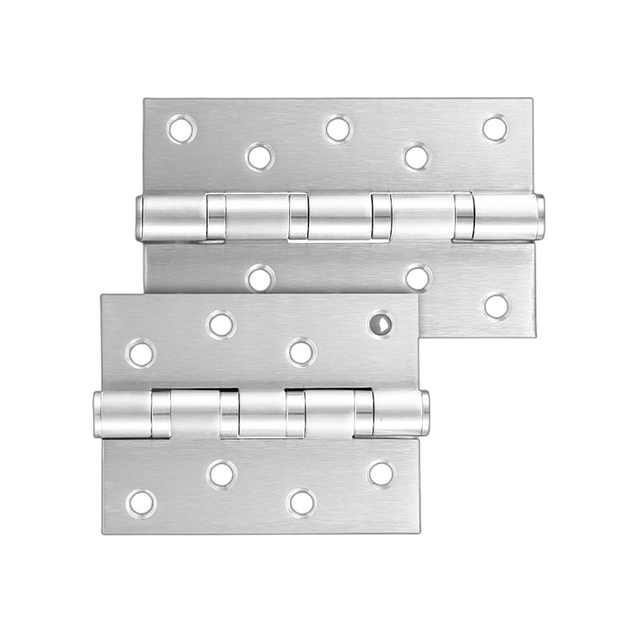
Apply a small amount of silicone-based lubricant to the hinge pins and moving parts.
Move the door back and forth several times to work the lubricant in.
Wipe away any excess lubricant to prevent dirt buildup.
For Key Cylinders:
Clean the key and keyhole by wiping with a dry cloth.
Apply a small amount of graphite lubricant into the keyhole.
Insert the key and turn it gently several times to distribute the lubricant.
Remove the key and wipe off any excess graphite powder.
Regular lubrication every six months or sooner in high-use areas helps maintain smooth operation and prevents hardware failure.
Loose screws in door hardware may seem minor, but they can seriously affect door stability and security. Over time, vibrations, frequent use, or even temperature changes can cause screws to loosen. This makes the door wobble, misalign, or even jam. Ignoring loose screws might lead to hardware damage or costly repairs.
Look for signs like:
Doors that don’t close smoothly
Handles or locks that feel wobbly
Hinges that move or creak unusually
Gaps between door and frame that weren’t there before
These clues often point to screws needing tightening. Loose screws reduce hardware strength, increasing wear on parts and compromising security.
To tighten screws properly, you’ll need:
A screwdriver set (flathead and Phillips) matching your hardware screws
A cordless drill with screwdriver bits for quicker work (optional)
Thread locker (like Loctite) to keep screws secure, especially in high-vibration areas
Tips:
Turn screws clockwise gently until snug. Avoid overtightening, which can strip threads or damage hardware.
If screws spin without tightening, the hole may be stripped. Use a larger screw or insert a wooden toothpick coated in wood glue to fill the hole before reinserting the screw.
For hinges, tighten screws on both door and frame sides to keep the door balanced.
Check strike plates and lock plates for loose screws, as these affect door security.
Make it a habit to inspect and tighten door hardware every 3 to 6 months. High-traffic doors or exterior doors exposed to weather may need more frequent checks. Regular tightening prevents small problems from becoming big issues.
Renovations or maintenance work around your doors can expose hardware to damage from paint splatters, dust, or accidental scratches. To keep hardware safe, cover it with protective tape, plastic wrap, or painter’s tape before starting any work. Remove coverings carefully afterward to avoid peeling finishes.
If sanding or grinding occurs nearby, shield hardware with sturdy materials like cardboard or cloth. These precautions prevent unnecessary wear and preserve the finish and function of your door components.
Outdoor door hardware faces constant exposure to weather elements. Rain, humidity, heat, and cold can all affect metal parts. Moisture can cause rust or corrosion, especially on iron or steel hardware. UV rays may fade finishes or cause cracking on painted surfaces.
Temperature swings can loosen screws or warp components, leading to misalignment. Wind-driven dust and debris may scratch or dull finishes over time.
Regular cleaning and inspection help spot early signs of weather damage. Applying protective wax or sprays can create a barrier against moisture and UV damage.
Coastal areas present unique challenges since salty air accelerates corrosion. If you live near the sea, clean door hardware more frequently—ideally once a month—to remove salt deposits. Use mild soap and water, then dry thoroughly.
Consider hardware made from corrosion-resistant materials like stainless steel, bronze, or specially coated finishes designed for coastal environments.
For extreme climates with intense sun, heavy rain, or freezing temperatures:
Use weather-resistant lubricants to keep moving parts working smoothly.
Inspect weather stripping and seals regularly to prevent water intrusion.
Apply protective coatings or sealants recommended by manufacturers to extend hardware life.
Replace any hardware showing significant rust or wear promptly to maintain security.
Proper handling is essential for keeping your door hardware in top shape. Avoid slamming doors or using excessive force when opening or closing them. Rough treatment stresses hinges, locks, and handles, speeding up wear and tear. Gentle operation helps maintain smooth function and prevents damage.
Door slamming causes sudden shocks to hardware components. Over time, these impacts loosen screws, bend hinges, and damage locking mechanisms. Instead, close doors slowly and firmly. Teach everyone in your home or workplace to handle doors carefully to extend hardware life.
If a door tends to slam due to wind or uneven floors, consider installing door closers or bumpers. These devices cushion the door’s movement and protect hardware from repeated impact.
Operating doors smoothly reduces friction and mechanical stress on moving parts. When hinges and locks glide easily, they last longer and require less maintenance. Gentle use also preserves finishes by preventing scratches or dents caused by forceful handling.
For example, turning a key slowly and carefully prevents jamming or breaking inside the lock cylinder. Similarly, using the door handle without yanking or pushing too hard avoids loosening screws or bending levers.
Early detection of hardware issues helps prevent costly repairs or replacements. Look for these warning signs:
Handles or knobs that feel loose or wobbly
Doors that don’t latch or lock properly
Hinges making creaking or grinding noises
Keys sticking or turning with difficulty
Visible scratches, dents, or chipped finishes
If you notice any of these signs, address them promptly by tightening screws, lubricating parts, or consulting a professional. Ignoring problems can lead to hardware failure and compromise door security.
Regular inspection of door hardware is essential to catch early signs of rust, corrosion, or physical damage. Look closely at hinges, locks, handles, and screws for any discoloration, rough patches, or flaking metal. Rust often appears as orange or brown spots, while corrosion might show as a white, powdery residue, especially on brass or copper. Check for cracks, dents, or bent parts that could affect performance.
Perform these inspections at least every three to six months. For hardware exposed to harsh weather or coastal environments, consider inspecting monthly. Early detection helps prevent small issues from turning into major repairs or replacements.
Spotting problems early means you can fix them before they worsen. Rust and corrosion left untreated can spread, weakening metal parts and causing hardware failure. Loose or damaged components can compromise door security and cause operational issues like sticking or jamming.
Prompt repairs might include cleaning rust spots, applying protective coatings, tightening screws, or replacing worn parts. Addressing these issues quickly saves money and extends hardware life. Ignoring damage risks costly replacements and potential security breaches.
Each door hardware type may have unique care requirements. Manufacturer guidelines provide valuable information on cleaning products, lubrication types, and maintenance schedules tailored to your specific hardware model. Following these instructions ensures you don’t accidentally void warranties or damage finishes.
Check the product manual or manufacturer’s website for recommended maintenance routines. Some high-end or specialty hardware may require professional servicing or specific treatments. Keep these instructions handy and refer to them during your maintenance checks.
Ensuring door hardware longevity requires regular cleaning, proper lubrication, and timely tightening. Consistent care preserves both functionality and appearance, preventing costly repairs. Following expert maintenance tips helps keep doors operating smoothly and looking great. FOACHI HARDWARE offers durable products designed for easy upkeep and long-lasting performance, providing excellent value for your investment. Trust FOACHI HARDWARE to support your door hardware needs with quality and reliability.
A: Doors hardware maintenance involves regular cleaning, lubrication, tightening, and inspection to keep door components functional and secure. Proper maintenance prevents wear, rust, and damage, extending hardware lifespan.
A: Generally, clean hardware monthly and lubricate hinges and locks every six months. Increase frequency in dusty, coastal, or harsh environments to prevent corrosion and ensure smooth operation.
A: Use mild soap and warm water or gentle cleansers safe for your hardware finish. Avoid harsh chemicals to prevent damage. Always dry thoroughly after cleaning.
A: Use silicone-based lubricant for hinges and graphite lubricant for locks. Apply sparingly, work the lubricant in by moving parts, then wipe excess to avoid dirt buildup.
A: Loose screws cause door misalignment, wobbling, and security risks. Regular tightening ensures stability and prevents hardware damage.
A: Look for loose handles, creaking hinges, sticking locks, or visible rust. Early detection allows prompt repairs to avoid costly replacements.