close
Choose Your Site
Global
Social Media
Views: 0 Author: Site Editor Publish Time: 2025-09-25 Origin: Site


Choosing the right door hardware can transform your home's look and security. Yet many homeowners feel lost with so many styles, finishes, and functions available. In this guide, you'll learn how to balance style, function, and safety to make confident choices for every door.
Choosing the right door hardware starts with understanding how your doors are built. Every home has different requirements, and small details can change what will fit or work properly. If you know the basics before you shop, you avoid costly returns and mismatched parts.
Before ordering hardware, check three important measurements:
● Backset: The distance from the edge of the door to the center of the bore hole. Standard sizes are 2 3/8 inches or 2 3/4 inches.
● Bore hole: The large hole where the knob or lever is installed. Most modern doors have a 2 1/8 inch bore hole.
● Door thickness: Interior doors are often 1 3/8 inches thick. Exterior doors are usually 1 3/4 inches. Some older or custom doors may differ.
Measurement |
Standard Range |
Why It Matters |
Backset |
2 3/8" or 2 3/4" |
Ensures latch reaches strike plate |
Bore Hole |
2 1/8" |
Fits most knobs and levers |
Thickness |
1 3/8" to 1 3/4" |
Determines hardware compatibility |
If your door does not meet these standards, you may need specialty hardware or professional adjustments.
Several parts work together to make doors functional and secure:
● Knobs: Traditional, round handles that suit classic interiors.
● Levers: Easier to grip than knobs, ideal for accessibility.
● Latches: Keep the door closed by catching into the strike plate.
● Deadbolts: Provide extra security for exterior doors.
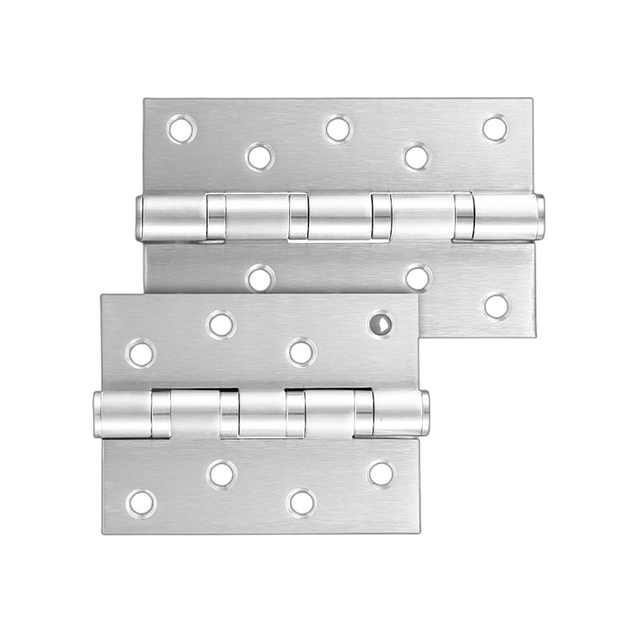
● Hinges: Control how smoothly the door swings and holds weight.
When replacing or upgrading, keep in mind that mixing brands may lead to small fit or finish mismatches. Choosing one manufacturer for most hardware can simplify installation.
Door handing refers to which side the hinges are on and how the door opens. Getting this wrong often means ordering a lever that faces the wrong way.
To determine handing:
1. Stand outside the room, facing the closed door.
2. If the hinges are on the left, it's a left-handed door.
3. If the hinges are on the right, it's a right-handed door.
This detail matters for levers, handlesets, and some smart locks. Knobs and deadbolts are usually reversible.
Note: Always confirm handing and measurements before bulk purchasing door hardware for multiple properties. This avoids delays and installation errors.
Different rooms demand different solutions. The right door hardware balances function, style, and safety. Knowing what works best for each door helps avoid frustration and ensures long-term performance.
Front and back doors need the highest level of security. Common options include:
● Handlesets: Stylish front-door hardware that pairs a decorative handle with a deadbolt.
● Keyed knobs or levers: Provide daily access control with a traditional look.
● Deadbolts: Single cylinder deadbolts use a key outside and thumb turn inside. Double cylinders require a key on both sides, adding security for glass doors.
Strong entry door hardware not only protects the home but also creates a welcoming first impression.
These rooms require privacy, not maximum security. Privacy knobs and levers lock from the inside but can be opened from outside using a small tool in emergencies. This makes them safe for children's rooms and essential for bathrooms. Choose hardware that complements your interior style while offering quick-release features.
Closet and hallway doors rarely need locks. Passage knobs and levers allow doors to stay closed without security. For shallow closets or decorative double doors, dummy knobs are a smart choice. They look like working hardware but have no latch.
French doors often combine one active and one inactive leaf. The active door uses a standard passage or privacy knob, while the inactive side relies on dummy knobs for symmetry. To keep the inactive leaf in place, install flush bolts or surface bolts. These lock into the frame or floor, ensuring stability.
Door Type |
Typical Hardware |
Key Features |
Entry Doors |
Handlesets, keyed levers, deadbolts |
Security + style |
Bedrooms/Baths |
Privacy knobs, privacy levers |
Lock + emergency access |
Closets/Halls |
Passage knobs/levers, dummy knobs |
No lock, decorative |
French Doors |
Combination of active + dummy hardware |
Balance + stability |
Sliding and pocket doors save space but need specialized hardware. Recessed pulls let doors glide without blocking movement. For privacy, add a pocket door latch or hook. These options blend practicality with a clean, modern look.
Some spaces call for unique solutions. Barn door kits are popular for modern rustic interiors, providing smooth gliding on exposed tracks. Ornamental hinges, pull handles, or decorative plates add personality and style, making doors stand out as design features.
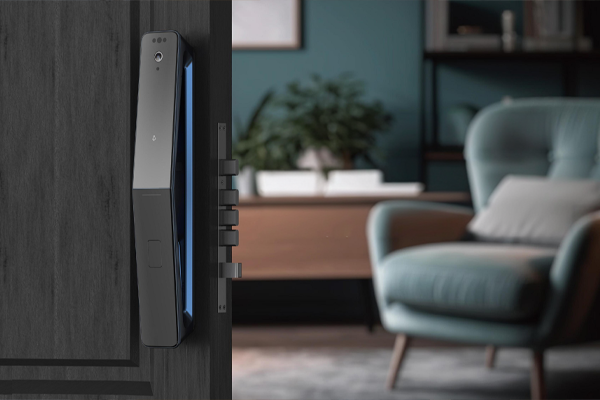
Technology has changed how we think about door security. Smart locks offer keyless entry using codes, apps, or biometrics. They provide convenience and can integrate with home automation systems. When selecting smart door hardware, check compatibility with your existing doors and network.
Once you know the basics and functions, it's time to focus on style. The right door hardware enhances design while supporting daily use. Style choices are not just about looks; they also affect comfort, accessibility, and overall flow in the home.
Every home has a unique personality, and hardware should reflect it.
● Modern: Sleek lines, matte finishes, and minimalist levers.
● Traditional: Rounded knobs, polished brass, or ornate designs.
● Rustic: Wrought iron or oil-rubbed bronze for a handcrafted feel.
● Transitional: Blends classic and modern, perfect for versatile interiors.
Keeping hardware consistent across visible spaces helps maintain harmony. However, mixing styles works in larger homes when done intentionally.
Knobs and levers serve the same purpose but feel very different in use.
● Knobs: Compact and traditional, good for households with pets.
● Levers: Easier to grip, better for children and elderly users.
Levers fit modern or transitional interiors, while knobs maintain a timeless charm. If accessibility is a priority, levers are usually the better choice.
Feature |
Knobs |
Levers |
Look |
Traditional, classic |
Modern, versatile |
Ease of use |
Requires twisting |
Simple push down |
Pet-friendly |
Harder for pets to turn |
Easier for pets to push |
Best for |
Bedrooms, closets |
Entry doors, offices |
Small details can transform ordinary hardware into standout features.
● Rosettes: Decorative plates behind knobs or levers that frame the design.
● Backplates: Larger plates that hide old holes and add elegance.
● Unique finishes: Options like antique brass, graphite, or dual-tone add character.
These elements not only cover imperfections but also allow customization that matches lighting fixtures, cabinetry, or furniture accents.
The finish and material of your door hardware shape both its appearance and its longevity. A handle may look great on day one, but the wrong choice can wear down quickly in daily use. Understanding finishes and materials helps you pick hardware that stays beautiful and functional for years.
Door hardware finishes do more than add color; they protect against scratches and wear. Here are common options:
● Matte black: Clean, modern look that hides fingerprints well.
● Polished chrome: Shiny and reflective, often used in contemporary interiors.
● Satin nickel: Subtle, smooth, and easy to pair with many décor styles.
● Brass: Warm, classic tone that works in traditional and transitional spaces.
● Bronze: Oil-rubbed or antique finishes create rustic or vintage appeal.
Each finish has its strengths. Matte hides marks, polished chrome creates impact, and bronze develops character over time.
Consistency makes your home look polished. Matching hardware on visible doors creates flow and balance. However, mixing finishes can add depth when done carefully.
● Consistency: Use one finish throughout high-traffic areas for harmony.
● Mixing: Choose up to two finishes, like black and brass, to create contrast.
When mixing, repeat each finish in multiple rooms so it feels intentional, not random.
Exterior doors are the first line of defense for any home. Choosing the right door hardware here is not just about looks; it's about safety. A secure entry discourages intruders, gives peace of mind, and can even improve property value.
Deadbolts remain the most reliable security feature for exterior doors.
● Single cylinder: Keyed on the outside, thumb turn on the inside. Easy to use and fast in emergencies.
● Double cylinder: Keyed on both sides. Safer for glass-panel doors since intruders can’t unlock them by reaching through broken glass.
However, double cylinders can slow escape during fires or emergencies. They should only be used where there is another safe exit.
Deadbolt Type |
Pros |
Cons |
Best Use Case |
Single Cylinder |
Easy to operate, quick exit |
Less secure near glass panels |
Standard front doors |
Double Cylinder |
Extra protection against entry |
Slower in emergencies |
Glass or French doors |
Technology has added new layers of convenience and security. Smart locks integrate with mobile apps, biometrics, or keypad entry. Many allow remote monitoring, which is helpful for frequent travelers or rental properties.
Smart door hardware options include:
● Keypad locks: Share codes with family or guests.
● App-controlled locks: Lock or unlock doors remotely.
● Biometric locks: Use fingerprints for fast, secure entry.
Before choosing, confirm compatibility with your existing door and Wi-Fi system.
Even the best hardware is ineffective if installation is weak. For maximum security:
● Reinforce strike plates with long screws.
● Choose solid-core or metal doors for durability.
● Consider a peephole or smart camera for visibility.
● Re-key or replace locks when moving into a new property.
Pairing sturdy door hardware with proper installation ensures long-term protection.

Updating door hardware is both a design choice and a financial decision. Planning ahead ensures you get durable, stylish hardware without overspending. A smart budget balances everyday needs with long-term value.
Not every door needs premium hardware. Invest more in entry doors, where security and style matter most. Interior doors, like closets and hallways, can use simpler passage sets.
● Spend more: Front doors, patio doors, high-traffic rooms.
● Save money: Closets, basement, utility rooms.
● Mid-range: Bedrooms and bathrooms, where privacy is important.
Buying multiple sets at once saves money and ensures a consistent look. Many suppliers offer discounts for bulk orders. Uniform finishes across the home also create visual flow.
Benefits include:
● Lower unit cost when ordering 10+ sets.
● Simplified keying options for exterior locks.
● Reduced installation time when hardware is consistent.
Approach |
Best Use Case |
Benefit |
Premium pieces |
Entry doors, offices |
Higher security, design |
Mid-range sets |
Bedrooms, bathrooms |
Balance privacy, cost |
Budget options |
Closets, secondary doors |
Simple, functional |
Timing purchases can cut costs significantly. Seasonal sales, clearance events, and contractor promotions are good opportunities. Choosing durable hardware reduces replacement frequency, saving money over time.
Think of it as an investment: quality hardware can last decades with proper care. A slightly higher upfront cost often pays off by avoiding early replacements.
Good door hardware only performs well if installed and maintained properly. Even the most durable hardware can fail early without the right setup and care. A clear plan ensures smooth operation and long-lasting finishes.
Many homeowners can install knobs, levers, or simple deadbolts with basic tools. DIY saves money and gives flexibility. However, professional installation is safer for:
● Smart locks requiring electrical connections.
● Mortise locks or specialty hardware.
● Multi-unit projects needing consistent key systems.
When in doubt, calling a licensed installer prevents costly mistakes.
A few basic tools are enough for most installations. Keep these ready:
● Screwdrivers (flat and Phillips).
● Tape measure and level.
● Drill with hole saw kit (for new doors).
● Chisel and hammer (for latch plates).
● Pencil for marking positions.
Having the right tools speeds the process and prevents damage to your door.
Most finishes need minimal care. Use mild soap and water, then dry with a soft cloth. Avoid harsh cleaners, which strip protective coatings.
Maintenance checklist:
● Wipe down hardware monthly.
● Lubricate moving parts once or twice a year.
● Tighten loose screws when noticed.
● Check strike plates for alignment.
Proper care keeps finishes bright and prevents corrosion, even in humid areas.
Even the best door hardware can cause frustration if chosen or installed incorrectly. Avoiding common mistakes saves time, money, and ensures smooth operation across your home.
Skipping measurements is one of the most frequent errors. Backset, bore hole size, and door thickness determine if hardware fits properly. Installing the wrong size often means returns or re-drilling.
Door handing is another overlooked step. A left-hand lever won't work on a right-hand door. Always confirm the hinge side before placing an order.
It's tempting to mix hardware styles, but too many mismatched finishes create a cluttered look. For example, combining polished chrome knobs with oil-rubbed bronze hinges in the same hallway feels inconsistent.
Consistency builds flow. Mixing works only when planned, like pairing matte black levers with brass accents repeated in lighting or cabinetry.
Hardware isn't just knobs and locks. Hinges, door stops, and strike plates matter for durability and design. Neglecting these details leads to squeaks, slamming doors, or chipped finishes.
Accessories such as flush bolts, kick plates, and door viewers also play key roles. They improve security, protect surfaces, and enhance usability.
Choosing the right door hardware means balancing style, function, and security. It transforms both safety and design across your home. Thoughtful planning ensures finishes, locks, and accessories all work together. By making intentional choices, you gain lasting value. Companies like Foachi provide reliable hardware solutions with unique durability and design advantages, helping homeowners and builders achieve secure, stylish, and long-term results.
A: Always measure backset, bore hole, and door thickness to ensure door hardware fits correctly.
A: Use privacy knobs or levers that lock from inside and allow emergency access.
A: The finish affects durability, style, and maintenance of your door hardware.
A: Yes, smart locks add convenience, keyless entry, and better security for modern homes.
A: Yes, but keep finishes consistent or repeat them for a cohesive look.