close
Choose Your Site
Global
Social Media
Views: 0 Author: Site Editor Publish Time: 2026-04-09 Origin: Site


Looking for reliable Door Hardware can feel overwhelming because many options exist, but not all deliver the same quality or performance. This article introduces the top manufacturers and explains what truly matters when choosing door hardware. In this guide, you will learn how to compare materials, evaluate durability, and select the right supplier for your project needs.
When selecting Door Hardware, material choice is one of the first things buyers evaluate. It directly impacts strength, corrosion resistance, and overall lifespan. Aluminium is often used for lightweight applications, especially in interior residential environments. Zinc alloy provides a balance between strength and design flexibility, making it suitable for decorative and commercial use. Stainless steel, on the other hand, is preferred for exterior doors or high-traffic areas because of its superior durability and resistance to rust.
Surface treatment also plays a major role. Manufacturers use processes such as anodizing, electroplating, or PVD coating to enhance both appearance and protection. These finishes help prevent scratches, fading, and corrosion over time. In real projects, poor surface treatment often leads to early wear, which increases replacement costs.
Durability is not only about materials. It is also measured through testing. Many reliable manufacturers conduct lifecycle tests to ensure handles and locks can withstand repeated use. Salt spray testing is another important factor, especially for outdoor or humid environments. These performance indicators help buyers compare products beyond just appearance.
A strong Door Hardware manufacturer usually has well-controlled production processes. When key steps such as stamping, polishing, coating, and assembly are handled internally, product consistency improves. It also allows faster response to quality issues, which is important for large orders or long-term cooperation.
Quality control systems are equally important. Reliable manufacturers implement inspection at multiple stages, from raw materials to finished products. This reduces defects and ensures each batch meets the same standard. Without proper inspection, even well-designed hardware can fail in real use.
In-house production improves consistency and reliability
Multi-stage inspection reduces defects and maintains quality
Standardized processes help ensure stable performance across batches
Certifications provide an additional layer of assurance. Standards such as CE, RoHS, and ISO indicate that the manufacturer follows recognized guidelines. While certifications alone are not enough, they show that the company meets basic compliance requirements, which is especially important for international buyers.
Customization has become a key factor in the Door Hardware industry. Many buyers now require more than standard products. They want hardware that fits their branding, design preferences, or project specifications. This is where OEM and ODM capabilities make a difference.
OEM services allow manufacturers to apply custom logos, packaging, and branding elements. ODM services go further by enabling design changes, structural adjustments, or even new product development. For distributors and brand owners, this flexibility helps create differentiated products in competitive markets.
OEM supports branding and packaging customization
ODM enables design changes and product development
Flexible production allows better alignment with project needs
To better understand the differences, here is a simple comparison:
| Customization Type | What It Includes | Best For |
|---|---|---|
| OEM | Logo, packaging, branding | Distributors and wholesalers |
| ODM | Product design and structure | Brand owners and developers |
| Project Custom | Size, finish, technical changes | Contractors and architects |
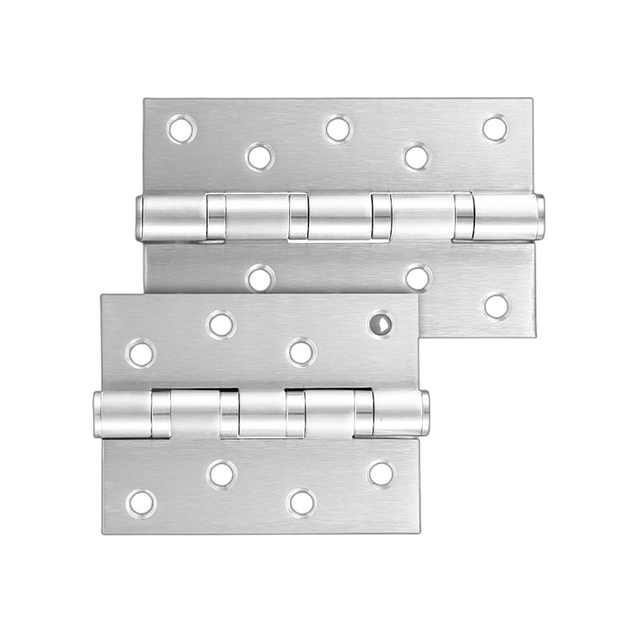
FOACHI stands out as a flexible Door Hardware manufacturer focused on both product range and customization. It offers door handles, hinges, smart locks, and accessories, which makes sourcing easier for buyers who prefer one supplier. Its strength lies in material variety, including aluminium, zinc alloy, and stainless steel. This allows projects to match performance needs across residential, commercial, and smart home environments.
It feels practical and structured. It supports OEM and ODM, so you can adjust finishes, sizes, or branding without starting from scratch. That matters when scaling product lines or building a private label.
FOACHI is also suitable for project-based sourcing. It supports technical adjustments and flexible production, which helps contractors and distributors manage requirements more efficiently.
Kwikset is widely recognized in the U.S. market for residential Door Hardware solutions. It focuses on usability and accessibility, which makes it popular among homeowners and renovation projects. Its product range includes door knobs, levers, deadbolts, and lock systems designed for easy installation.
What makes it stand out is its balance between affordability and functionality. It offers multiple finish options and styles, so users can match hardware with interior design without much effort. It also emphasizes user-friendly installation, which reduces labor time.
Kwikset often appeals to buyers who prioritize convenience and design consistency. It fits well in projects where simplicity and reliability matter more than heavy-duty performance.
Hager is known for its long history in the Door Hardware industry and its broad product portfolio. It covers hinges, locks, exit devices, and even electronic security components. This makes it suitable for both residential and commercial projects, especially those requiring standardized solutions.
It focuses heavily on durability and product consistency. Buyers often consider it when they need hardware that performs well under repeated use. Its product line also reflects a balance between traditional hardware and modern security needs.
Hager’s approach feels more system-oriented. It works well when projects require multiple hardware components from a single supplier.
Emtek is often chosen for its design flexibility and customization options. It targets buyers who care about both aesthetics and performance. Its product lineup includes door handles, locks, handle sets, and cabinet hardware, all designed to allow mix-and-match combinations.
It stands out because it gives users more control over design. You can combine different finishes, styles, and materials to create unique hardware solutions. This makes it especially attractive for high-end residential or boutique commercial projects.
Yale is one of the most recognized names in Door Hardware, especially in locks and security systems. It has a long history and continues to evolve by integrating modern technology into its products. Its portfolio includes traditional locks as well as smart lock systems.
It focuses on security and innovation. Buyers often choose it for applications where safety and access control are important. Its products are used in both residential and commercial environments, which shows its versatility.
ASSA ABLOY is often recognized for its strong position in Door Hardware and access control systems. It focuses heavily on security, which makes it a preferred choice for commercial buildings and institutional projects. Its product range covers both mechanical and electronic hardware, allowing buyers to integrate traditional solutions with modern access systems.
From a practical standpoint, it offers long-term durability and advanced technology integration. This makes it suitable for projects where safety, compliance, and performance are critical.
Baldwin Hardware is widely associated with premium Door Hardware and high-end architectural applications. It emphasizes craftsmanship and design, which makes it attractive for projects where appearance matters as much as performance. Its product range includes handles, locks, and decorative hardware designed to enhance interior spaces.
It focuses on materials and finishing quality. This results in products that not only look refined but also maintain their appearance over time. Buyers who prioritize aesthetics often lean toward this type of hardware.
For design-driven projects, it provides a balance between style and durability. It helps create a cohesive look across different spaces.
Sargent is known for producing reliable Door Hardware used in both residential and commercial settings. It offers locks, door closers, and related hardware, focusing on consistent performance and ease of use. Its products are designed to handle daily operation without frequent maintenance.
It places importance on material quality and functional design. This makes its hardware dependable in environments where frequent use is expected. Buyers often look at it for projects requiring stable and predictable performance.
Sargent works well in projects where durability and simplicity are more important than advanced customization.
Corbin Russwin is positioned as a professional-grade Door Hardware manufacturer, especially for commercial and institutional use. Its product range includes mortise locks, cylindrical locksets, exit devices, and access control systems. These products are typically designed to meet higher performance standards.
It focuses on security and system integration. This makes it relevant for buildings that require controlled access and higher safety levels. Buyers in institutional sectors often consider it due to its compliance with strict standards.
Marks USA focuses on heavy-duty Door Hardware designed for professional environments. Its products include mortise locks, cylindrical locksets, exit devices, and other life-safety hardware. These are commonly used in commercial buildings, multifamily housing, and institutional facilities.
It emphasizes strength and durability. This makes its hardware suitable for high-traffic areas where wear and tear are constant. Buyers often consider it when they need dependable hardware that can withstand intensive use.
Marks USA fits well in projects where reliability and structural strength are the top priorities. It supports long-term use without frequent replacement, which helps reduce maintenance concerns.
Choosing the right Door Hardware starts from real usage, not just appearance. You need to consider where it will be installed, how often it will be used, and what level of performance is required. Different environments have different demands, so matching hardware to the application helps avoid early wear, installation issues, and unnecessary replacement.
Application Type (Residential, Commercial, Industrial)
Residential spaces usually focus on comfort and design, so lighter and more decorative hardware works well. Commercial environments require stronger durability and higher safety standards due to frequent use. Industrial settings often demand heavy-duty Door Hardware designed to handle continuous operation and tougher conditions.
Installation Location (Interior vs Exterior)
Interior doors are not exposed to moisture or extreme weather, so standard materials can perform well. Exterior doors face rain, humidity, and temperature changes, so they need stronger corrosion resistance and protective finishes. Choosing the right material for the location helps extend service life and reduce maintenance.
Design Compatibility
Door Hardware should match the overall design of the space to maintain visual consistency. Modern interiors often require clean and simple designs, while commercial spaces may prioritize function and durability over style. Proper matching improves both aesthetics and user experience.
Usage Frequency
High-traffic areas require hardware that can handle repeated use without failure. Strong construction and smooth operation become more important in these cases. For low-use spaces, buyers can focus more on design and cost while still maintaining acceptable performance.
When these factors are considered together, Door Hardware becomes more reliable and better suited to the project. It also helps improve long-term performance and reduces unexpected issues during use.
Performance matters more than appearance over time. Good Door Hardware should work smoothly after thousands of uses. This is why manufacturers test products through lifecycle testing. Handles, locks, and hinges are often tested for tens of thousands or even hundreds of thousands of cycles.
Environmental conditions also affect performance. Hardware exposed to humidity or outdoor conditions needs strong corrosion resistance. Stainless steel and treated finishes perform better in these situations. Choosing the wrong material can lead to early failure.
To compare performance factors clearly, here is a practical reference:
| Factor | What to Check | Why It Matters |
|---|---|---|
| Lifecycle Testing | Number of test cycles | Indicates durability |
| Corrosion Resistance | Salt spray testing results | Shows environmental protection |
| Material Type | Steel, zinc alloy, aluminium | Affects strength and lifespan |
| Surface Finish | Coating quality | Impacts wear and appearance |
When selecting Door Hardware, price often draws attention first, but it should not guide the final decision. A low-cost option may seem attractive at the beginning, yet it can lead to frequent repairs or early replacement. Looking at long-term value helps you avoid hidden costs and ensures better performance over time.
Initial Cost vs Long-Term Value
Lower-priced Door Hardware can reduce upfront investment, but it may wear out faster under daily use. Higher-quality options usually perform more consistently and require less maintenance. Over time, they help reduce total cost by minimizing repairs and replacements.
Durability and Replacement Frequency
Durable hardware can handle repeated use without failure, which is especially important in high-traffic areas. If the material or construction is weak, it may fail sooner and interrupt normal operation. Choosing stronger materials helps extend service life and maintain stability.
Consistency Across Orders
Consistent quality ensures that every batch of Door Hardware fits and performs the same way. If products vary, installation becomes difficult and delays may occur. Reliable manufacturers maintain stable standards, which helps projects run smoothly from start to finish.
A reliable supplier is essential for successful Door Hardware sourcing. Even high-quality products can create problems if delivery is delayed or communication is unclear. Working with a dependable manufacturer improves coordination and reduces risks during the project.
Lead Time and Production Capacity
A good supplier can handle your required volume without delays. Stable lead times help you plan installation and avoid interruptions. If capacity is limited, it may affect project timelines and create unnecessary pressure.
Communication and Technical Support
Clear communication helps resolve issues quickly and keeps the process efficient. Technical support is also important when adjustments are needed during installation. A responsive supplier makes cooperation smoother and more predictable.
Customization and Flexibility
Suppliers offering OEM or ODM services can adapt to specific requirements, such as design changes or branding needs. This flexibility is useful for both large projects and growing businesses. It allows you to adjust products without switching suppliers, which improves efficiency.
Choosing the right Door Hardware depends on quality, durability, and supplier support. FOACHI offers flexible solutions, strong material options, and customization services. Its products suit residential and commercial needs, helping buyers achieve better performance, design consistency, and long-term value in different projects.
A: Door Hardware includes handles, locks, and hinges used for security and daily access.
A: Choose Door Hardware based on application, material, and durability needs.
A: High-quality Door Hardware improves safety, lifespan, and overall user experience.
A: Door Hardware often uses stainless steel, zinc alloy, and aluminium for strength.
A: Door Hardware cost depends on material, quality, and customization requirements.