close
Choose Your Site
Global
Social Media
Views: 0 Author: Site Editor Publish Time: 2026-04-09 Origin: Site


Do you really know how your lock works? Most people don’t, and they choose the wrong one.This article explains lock functions and lock types clearly. In this article, you will learn how to choose the right lock for safety, privacy, and daily use.
A lock is a device that controls access. It secures a door. It allows entry only when the correct method is used. We use locks every day, often without thinking about how they actually work. Understanding the internal structure helps you choose better products, especially when comparing traditional and smart lock systems like those developed by FOACHI.
From a structural perspective, a lock is not a single part. It is a system of components working together:
Latch: It keeps the door closed. It retracts when the handle turns. It does not always provide security by itself.
Cylinder: It is the core control unit. It reads the key or code input. It determines whether the lock opens or stays secure.
Bolt (Deadbolt): It provides stronger security. It extends deeper into the door frame. It resists forced entry better than a latch.
Handle or Lever: It allows manual operation. It connects user action to internal movement. It affects both comfort and usability.
When comparing mechanical locks and smart locks, the difference is not just technology. It is about how access is granted:
Mechanical locks rely on physical keys. They are simple and reliable. However, they can be lost or copied.
Smart locks use fingerprint, password, card, or app control. They offer flexibility. They support multiple users. They reduce dependency on physical keys.
FOACHI integrates both systems. It keeps a mechanical key backup while adding digital access. This ensures safety and convenience at the same time.
This combination makes modern locks more adaptable. It also makes them suitable for homes, apartments, and commercial environments.
A lock function describes how a lock behaves in real use. It defines who can open the door. It explains when the door stays locked. It determines how access is controlled in daily scenarios. Many users focus only on design, but function is the real decision factor.
Think about it this way. Two locks may look identical. However, one may allow free passage, while the other requires a key every time. That difference comes from the lock function, not the appearance.
Here are the key aspects that define lock functions:
Access Control: Who can enter? Is a key, fingerprint, or code required?
Locking Behavior: Does it lock automatically? Does it stay unlocked?
User Interaction: Can it be opened from inside freely? Can multiple users access it?
Lock functions directly affect safety, privacy, and convenience. For example:
In a bedroom, users care about privacy. They want quick locking. They do not need complex security systems.
At a main entrance, security becomes critical. Users need strong protection. They also want flexible access for family or staff.
In commercial or hospitality spaces, access must be controlled across many users. Efficiency and management become priorities.
FOACHI reflects this logic in its product structure. It does not treat all locks the same. Instead, it designs different smart lock series for different scenarios. For example:
Indoor locks focus on quiet operation and quick access.
Entrance locks focus on security and multi-method unlocking.
Hospitality locks focus on card systems and user management.
This approach helps users avoid a common mistake. Many people choose locks based on looks or price. However, the real question should always be:
What does this door need the lock to do?
When you understand lock functions, the selection process becomes much clearer. It becomes practical. It becomes based on real use, not guesswork.
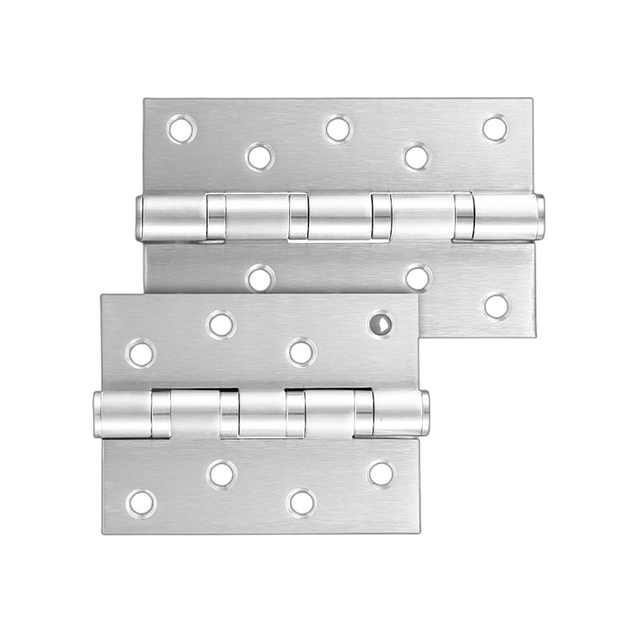
A passage function lock is the simplest type of lock. It does not actually lock. It only keeps the door closed using a latch. You can open it freely from both sides at any time. This makes it useful in areas where access control is not needed at all.
In real homes, people use passage locks more often than they realize. They are common in spaces where movement should stay smooth and unrestricted:
Closets: You open them quickly. No need for keys or codes.
Hallways: People move frequently. Locking would slow things down.
Connecting rooms: Doors stay functional, not secure barriers.
However, many users misuse this type. They install it where privacy or security is required. That creates problems later. Here are situations where you should avoid using passage locks:
When the room needs privacy, like bedrooms or bathrooms
When the door leads to important areas, like offices
When there is any need for restricted access or safety control
From a product perspective, FOACHI usually does not position smart locks for passage use. Instead, it focuses on locks that add value through access control. That means passage logic is often replaced by more functional smart options when needed.
A privacy function lock is designed for personal spaces. It allows users to lock the door from the inside. It does not require a key for daily use. Instead, it usually includes a simple emergency release from the outside.
This type of lock fits situations where privacy matters more than high security. Think about daily routines. You want quick control. You do not want to carry keys inside your home.
Typical applications include:
Bedrooms: Personal space. Temporary privacy.
Bathrooms: Short-term use. Emergency access required.
Dressing rooms: Controlled access, but not high security.
The difference between passage and privacy locks becomes very clear in practice. One allows free movement. The other creates a controlled boundary.
| Feature | Passage Lock | Privacy Lock |
|---|---|---|
| Locking ability | No | Yes (inside only) |
| Key required | No | No (emergency override only) |
| Use case | Open access areas | Personal spaces |
| Security level | None | Low |
FOACHI applies this concept in its indoor smart locks. For example, its J-Series and Q-Series focus on quiet operation, fast unlocking, and user-friendly control. Instead of a simple thumb turn, users can rely on fingerprint or password access. This keeps privacy while improving convenience.
An entry or office function lock is more flexible. It allows locking and unlocking from the outside. It also allows free exit from the inside. This balance makes it one of the most commonly used lock types in both homes and workplaces.
In daily use, this type solves a key problem. It gives control without making access complicated. You can secure the door when needed. You can also allow easy entry for authorized users.
Common scenarios include:
Front doors: Family members need controlled access.
Office rooms: Staff may need entry at different times.
Apartments: Tenants require secure but flexible access.
The strength of this lock type comes from its adaptability. It supports both security and convenience, which is why it is widely used.
FOACHI builds on this function in its smart lock systems. Instead of relying only on keys, it offers multiple access methods:
Fingerprint unlock for quick personal entry
Password access for shared users
Card access for managed environments
App control for remote management
This expands the traditional entry function into a more dynamic system. It allows users to control access based on real needs, not just physical keys.
A storeroom or security function lock is designed for strict access control. It stays locked from the outside at all times. Every entry requires authorization. There is no “unlocked mode” for convenience.
This type is used where security is the top priority. It is not about comfort. It is about control.
Typical use cases include:
Storage rooms: Only authorized personnel should enter
Equipment rooms: Access must be limited and tracked
Restricted areas: Security is more important than speed
Here is how it compares to other lock functions:
| Lock Function | Outside Access | Inside Exit | Security Level |
|---|---|---|---|
| Passage | Always open | Free | None |
| Privacy | Limited | Free | Low |
| Entry | Controlled | Free | Medium |
| Storeroom | Always locked | Free | High |
FOACHI reflects this function in its DQ-Series and advanced entry locks. These models include features such as:
Anti-pry alarms to detect forced entry attempts
Auto-lock systems to prevent human error
Reinforced lock bodies for stronger protection
Multiple authentication methods for controlled access
These features take the traditional storeroom concept further. They add monitoring and automation. They help users maintain security without constant manual control.
In real projects, choosing this function depends on risk level. If the space contains valuable items or sensitive equipment, this type becomes essential. If not, it may feel too restrictive for daily use.
When people choose a lock, they usually face one key decision first. Should they go traditional, or should they go digital? Both types work, but they serve different habits and expectations.
Mechanical locks rely on physical keys. They are simple. They are familiar. Many users trust them because they have used them for years. However, they come with limits. Keys can be lost. They can be copied. Managing access becomes harder when more users are involved.
Smart locks change how access works. They replace or support keys using digital methods. These include fingerprint, password, card, or app control. This makes daily use faster and more flexible. FOACHI smart locks follow this approach. They combine multiple unlock methods while still keeping a mechanical key backup for safety.
Let’s compare them clearly:
| Type | Access Method | Strength | Limitation |
|---|---|---|---|
| Mechanical Lock | Physical key | Simple, reliable | Key loss, limited control |
| Smart Lock | Digital + key backup | Flexible, multi-user | Needs power and setup |
In real use, the difference becomes obvious:
Mechanical locks work best when access is simple and limited.
Smart locks work better when access is shared, frequent, or controlled remotely.
FOACHI integrates both systems, so users do not lose reliability while gaining convenience.
Not all locks are built for the same door. Some are designed for comfort. Others are designed for protection. The difference between interior and exterior locks is more important than many users expect.
Interior locks focus on ease of use. They are used inside homes or buildings. They do not need strong resistance to forced entry. Instead, they prioritize quiet operation and smooth handling.
Common interior scenarios include:
Bedrooms where privacy matters
Bathrooms where quick locking is needed
Study rooms where access is limited but not highly restricted
Exterior locks are very different. They protect entry points. They must resist force, weather, and frequent use. They also need stronger materials and more secure locking systems.
FOACHI reflects this difference clearly in its product design:
Its J-Series and Q-Series focus on indoor comfort. They offer quiet latches and quick access.
Its F-Series and DQ-Series target entrance doors. They include stronger bodies and security features like alarms.
Choosing the wrong type often leads to problems. An interior lock on a main door reduces safety. An exterior lock on a bedroom door feels unnecessary and heavy.
Lock types also change depending on the environment. A home does not need the same system as a hotel or office. Each setting has its own access patterns and expectations.
Let’s break it down by application:
These are used in homes, apartments, and villas. They must balance comfort and safety. Users want easy access, but they also want protection.
Bedrooms need privacy and quiet operation
Main doors need security and flexible access
Family use often requires multiple users
FOACHI addresses this by offering different series. Indoor locks focus on convenience. Entrance locks combine security and digital access.
Commercial spaces include offices, shops, and storage areas. Here, control becomes more important. Access may change daily. Different people may need different permissions.
Offices require controlled entry and exit
Storage rooms require restricted access
Retail spaces require durable, high-use locks
Smart locks become more valuable in these cases. They allow easier management of multiple users without changing physical keys.
Hotels and rental properties have unique needs. They require structured access systems. Guests change frequently. Staff need controlled entry.
FOACHI’s DJ-Series is designed for this type of use. It supports:
Card-based access systems
Multi-room management
Durable construction for frequent use
Here is a comparison across environments:
| Environment | Key Need | Recommended Lock Type |
|---|---|---|
| Residential | Comfort + safety | Smart entry + privacy locks |
| Commercial | Access control | Multi-user smart locks |
| Hospitality | System management | Card + digital locks |
Some doors do not fit standard categories. They require specialized locks. These are designed for specific conditions or higher requirements.
One common example is outdoor or weather-exposed doors. These locks must handle moisture, temperature changes, and long-term wear. FOACHI offers models designed for such environments, including options built for higher protection levels like IP-rated designs.
Specialized lock types include:
Outdoor locks: Built for rain, humidity, and corrosion
High-security locks: Reinforced structure, anti-pry features
Hybrid locks: Combine mechanical and smart functions
Upgradeable locks: Allow future system expansion
These locks often include additional features:
Stronger materials like stainless steel
Sealed electronic components
Enhanced alarm systems
Multiple authentication methods
Choosing a specialized lock depends on the situation. If the environment is harsh, durability becomes critical. If the risk level is high, security features matter more. If flexibility is needed, hybrid systems provide a better solution.
FOACHI designs its product range around these real-world needs. It does not treat all locks the same. Instead, it aligns each lock type to a specific use case, making selection easier for users.
Modern lock systems are no longer limited to keys. They now rely on digital identity. It feels faster. It feels more natural. You do not need to carry anything. You simply use what you already have—your fingerprint, memory, or a card.
Biometric and digital access works through recognition and verification. The lock reads input. It compares it to stored data. If it matches, it opens. If not, it stays locked. This process happens quickly, often in less than a second.
Here are the most common keyless methods used in FOACHI smart locks:
Fingerprint Unlock: It scans your fingerprint. It stores patterns securely. It allows fast personal access without keys.
Password (PIN Code): It uses numeric input. It supports multiple users. It is ideal for families or shared spaces.
Card Access (RFID): It uses a card or tag. It is often used in hotels or managed buildings. It simplifies access control.
These methods are not just about convenience. They solve real problems:
No need to worry about lost keys
Easier to manage multiple users
Faster access during daily routines
| Access Method | Best For | Key Advantage |
|---|---|---|
| Fingerprint | Personal use | Fast, no memory needed |
| Password | Shared access | Flexible, easy to update |
| Card | Managed spaces | Simple, scalable |
FOACHI combines these methods in many of its smart lock series. This allows users to choose how they want to unlock the door, depending on their situation.
Smart locks go beyond the door. They connect to your phone. They allow control from anywhere. This changes how we think about access.
Remote control works through a mobile app. The lock connects to a system. The user interacts through the app. It allows real-time control and monitoring. You can check status. You can unlock remotely. You can manage users.
Here is how it helps in real life:
Remote Unlocking: You open the door for guests or family, even if you are not home.
Access Sharing: You give temporary codes to tenants or staff. You remove them when needed.
Usage Monitoring: You see who accessed the door and when. This adds awareness and control.
FOACHI integrates app-based features in several of its smart lock models. This makes it suitable for:
Rental apartments where access changes often
Offices where multiple users need entry
Homes where convenience and flexibility matter
Not every user needs remote control. However, in situations like short-term rentals or shared properties, it becomes very useful. It reduces manual work. It improves efficiency.
Convenience is important, but safety comes first. A smart lock must protect the door at all times. That is why modern systems include automatic and protective features.
Auto-lock is one of the most practical features. It locks the door automatically after closing. This prevents mistakes. Many users forget to lock doors. Auto-lock solves that problem quietly.
Security features go further:
Tamper Alerts: The lock detects forced entry attempts. It triggers an alarm.
Anti-Pry Protection: It resists physical damage. It protects internal components.
Wrong Attempt Alerts: It reacts to repeated incorrect inputs. It adds an extra layer of defense.
Backup systems are also critical. Technology can fail. Power can run out. A lock must still work.
FOACHI includes backup options such as:
Mechanical Key Override: A traditional key is still available when needed
Emergency Power Port: External power can activate the lock if the battery is low
These features create a system that is both smart and dependable. They reduce risk without making daily use complicated.
Not every door needs the same features. Choosing the right lock function depends on how the space is used. Many users make the mistake of choosing based on features alone. Instead, they should match functions to real scenarios.
Here is a simple way to match features:
| Scenario | Recommended Functions | Why It Works |
|---|---|---|
| Bedroom | Fingerprint, password | Simple and private |
| Entrance | Multi-access, auto-lock, alarm | Secure and flexible |
| Rental | App control, temporary codes | Easy management |
When selecting a smart lock, balance is important:
Too few features may limit usability
Too many features may add unnecessary complexity
The goal is to match function to real need
FOACHI designs its smart lock systems based on these scenarios. It offers different series for indoor use, entrance security, and managed environments. This helps users avoid over-buying or under-specifying their lock system.
Understanding lock functions helps users choose the right lock for each door and improve daily safety. FOACHI provides smart lock solutions with flexible access, strong security, and practical design, making lock selection easier and more reliable.
A: A lock function defines how a lock controls access.
A: A lock uses fingerprint, password, or app to unlock.
A: A smart lock offers flexible and secure home access.
A: Lock types match door needs and improve safety.
A: A lock still works using backup key or power.