close
Choose Your Site
Global
Social Media
Views: 0 Author: Site Editor Publish Time: 2025-09-23 Origin: Site
Ever wondered how much door hardware shapes safety and style? These parts include handles, locks, and hinges. Knowing the different types helps balance function, security, and design. In this article, you'll discover key door hardware categories and their uses.
When we talk about door hardware, we mean all the parts that let a door open, close, and stay secure. These parts range from simple handles to advanced electronic locks. Understanding each category helps you choose the right option for style, function, and safety.
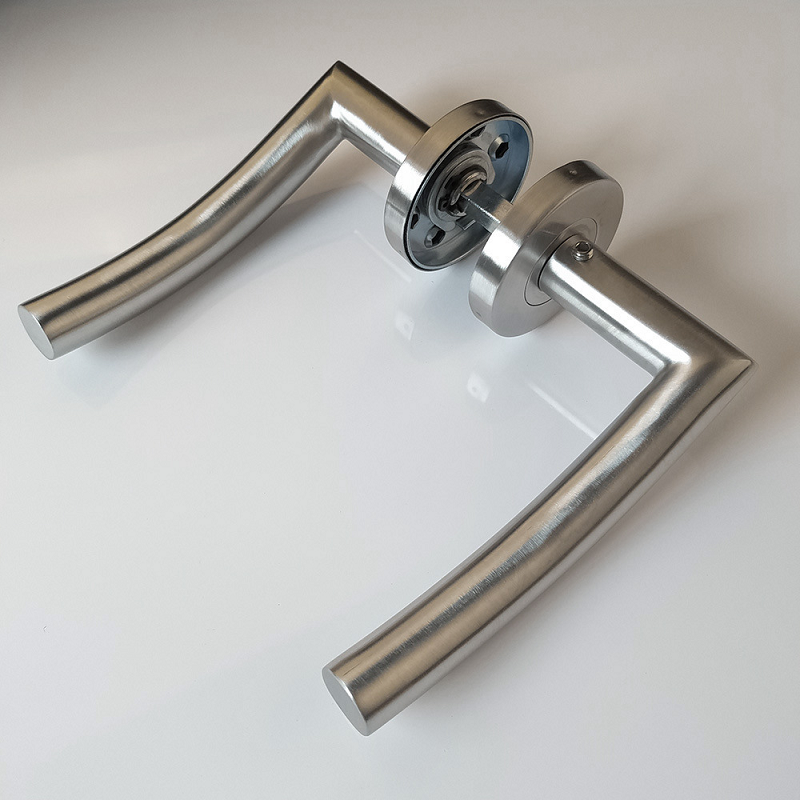
Handles and knobs are the most visible parts of door hardware.
● Lever handles are popular because they are easy to operate. They meet ADA standards and work well in homes, offices, and hospitals.
● Knob handles are more traditional. They are compact and often used on interior doors such as bedrooms and closets.
● Dummy handles have no latch function. They are decorative and used on inactive doors or wardrobe panels.
Handles are more than just functional. They can set the tone for a modern, classic, or rustic design.
Locks are at the core of door security.
● Deadbolts offer strong protection. Single-cylinder models are easy to use, while double-cylinder types add extra safety for doors with glass panels.
● Mortise locks are built inside the door edge. They are durable and common in commercial spaces or premium front doors.
● Electronic and smart locks are growing fast. These include keypad entry, RFID card access, or biometric scans. They add convenience and integrate with smart home systems.
Good locks make the difference between basic entry and true protection.
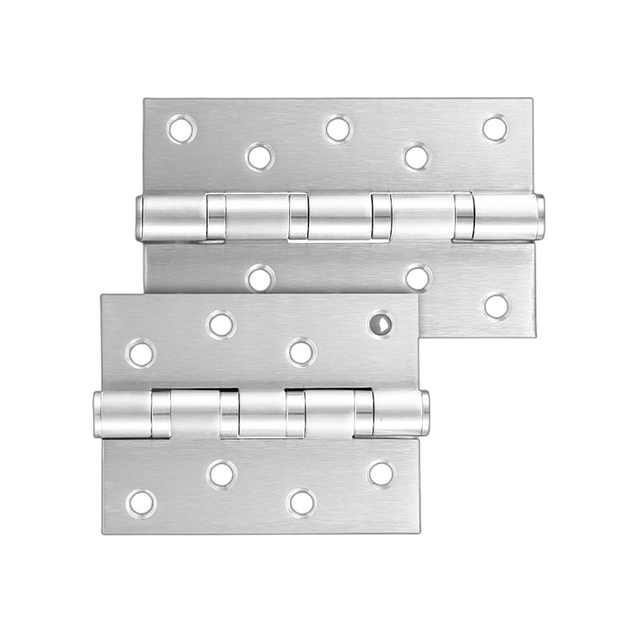
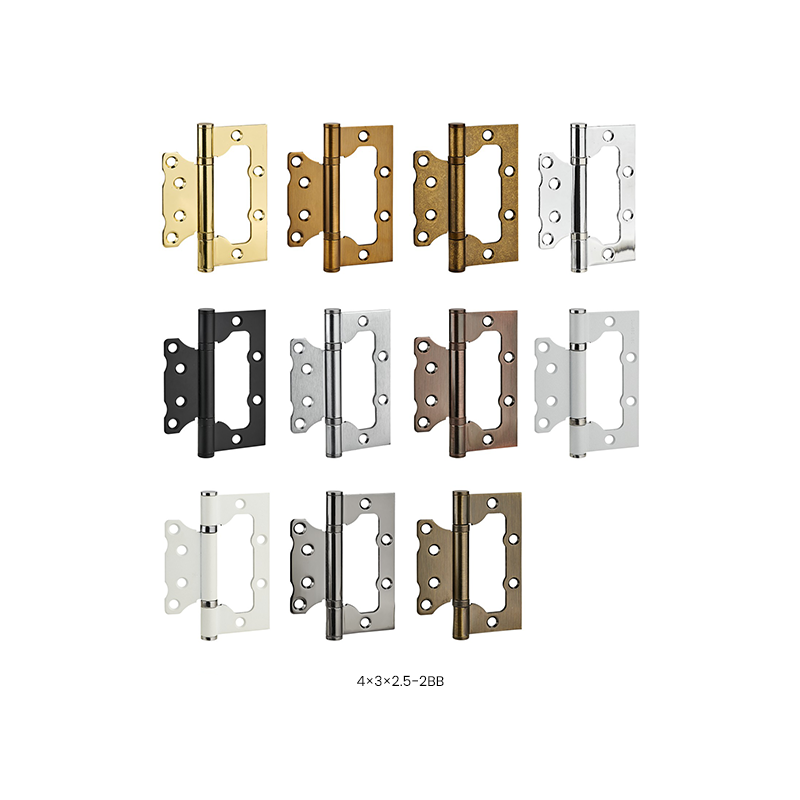
Hinges allow the door to swing smoothly.
● Butt hinges are the most common. They are simple, durable, and found in most homes.
● Concealed hinges are hidden when the door is shut. They provide a clean look and often allow adjustments for alignment.
● Specialty hinges include spring, wide-throw, or piano hinges. These serve heavy doors, double-action swings, or continuous support.
Hinges may look small, but they carry the weight of the door and affect its lifespan.
Closers ensure doors return to the closed position after opening.
● Surface-mounted closers are visible and common in schools, offices, and retail. They are reliable for heavy use.
● Concealed closers are hidden in the door or frame. They suit luxury apartments or modern office interiors.
● Floor closers are built at ground level. They are designed for glass doors or large entry doors where stability is key.
Closers improve safety, prevent slamming, and help control energy costs.
Accessories protect doors and improve convenience.
● Wall-mounted and floor-mounted stops prevent damage to walls or furniture.
● Kick plates shield the lower part of the door in high-traffic areas.
● Door viewers or peepholes allow residents to see outside before opening.
● Flush bolts are used on double doors to keep one side locked in place.
These small parts add long-term value by reducing repair costs.
Not every door is standard. Sliding and specialty doors need unique hardware.
● Pocket door pulls and locks let the door slide into the wall while still being easy to operate.
● Barn door tracks and rollers provide smooth sliding and often add a design feature in modern homes.
● French door hardware includes flush bolts and multi-point locks that keep both leaves secure.
Specialty solutions combine style, space-saving, and function.
Category | Examples | Main Uses |
Handles & Knobs | Levers, knobs, dummy sets | Operation and design |
Locks | Deadbolts, mortise, smart locks | Security and access control |
Hinges | Butt, concealed, specialty | Movement and durability |
Closers | Surface, concealed, floor | Safety, energy, controlled closing |
Accessories | Stops, kick plates, viewers, bolts | Protection and added function |
Specialty Hardware | Pocket, barn, French door systems | Space-saving, style, unique needs |
Note: When choosing door hardware, always match the product to the door’s weight, traffic level, and security needs.
Exterior doors face constant stress from weather and daily use. Choosing the right door hardware here is not just about looks. It directly affects security, durability, and long-term performance.
Entry handlesets combine a decorative grip with a deadbolt. They are often installed on front doors to provide both style and strong protection. A single-cylinder deadbolt allows key access outside and thumb turn inside. A double-cylinder deadbolt requires keys on both sides, making it harder for intruders to bypass glass doors. Many modern entry sets include adjustable backsets for easy installation.
Exterior door hardware must resist moisture, UV rays, and temperature swings.
● Stainless steel resists rust and corrosion, ideal for coastal or humid climates.
● Brass adds a classic look but needs care to prevent tarnish.
● Bronze offers natural aging and works well for rustic designs.
These finishes protect the hardware while maintaining design appeal. Regular cleaning with mild soap helps extend service life.
Security hardware upgrades add another line of defense. A reinforced strike plate prevents forced entry by spreading impact across the frame. Cylinder guards protect lock cylinders from drilling or pulling. Both features are common in modern exterior door sets. Many insurance providers even recommend these enhancements for lowering risk.
Component | Purpose | Best Use Case |
Entry Handlesets | Grip + deadbolt combination | Front and main exterior doors |
Deadbolts | Secure locking | Single or double doors with glass |
Stainless Steel Finish | Corrosion resistance | Coastal and high-moisture climates |
Brass Finish | Elegant appearance | Traditional or luxury homes |
Bronze Finish | Patina aging look | Rustic or vintage-style designs |
Reinforced Strike Plate | Frame-strengthened lock support | High-security residential entrances |
Cylinder Guard | Protects lock mechanism | Exterior doors with frequent traffic |
Interior door hardware has a different focus from exterior parts. Here, the goal is to balance daily function, privacy, and visual harmony with the home’s design. Choosing the right hardware ensures doors work smoothly while supporting comfort and style.
Passage hardware is used on doors that don’t need locks. Closet doors, laundry rooms, or hallways are common examples. These sets usually include a knob or lever with a latch, but no locking mechanism. They are easy to install and cost-effective for large residential projects. For high-traffic interiors like schools or offices, durable passage levers can handle frequent use without added security features.
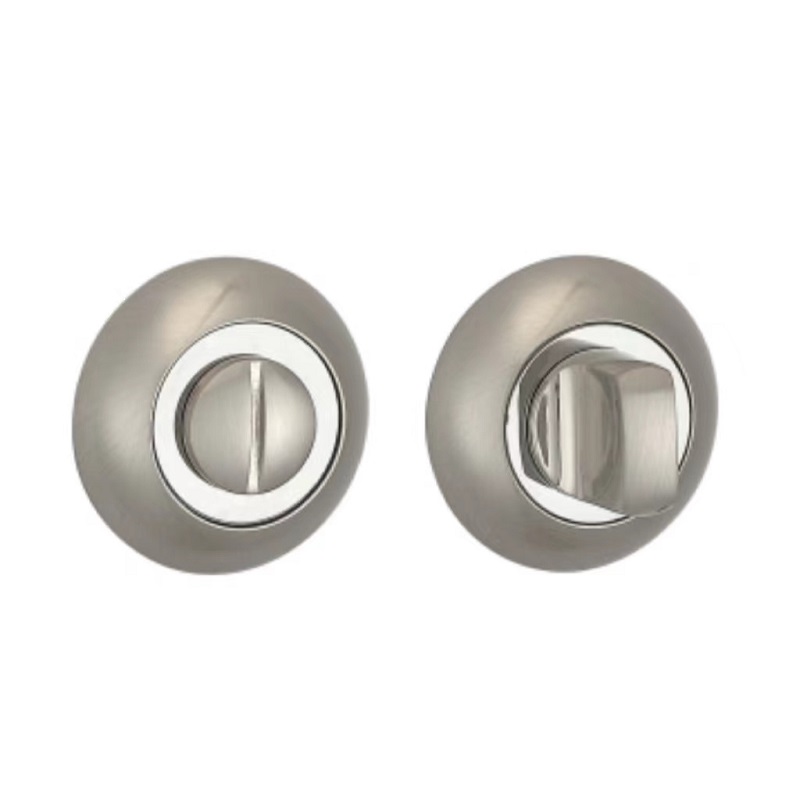
Privacy locks add security for personal spaces. Bedrooms and bathrooms often use these locks, which can be engaged from the inside by a push button or turn button. They usually have an emergency release on the outside for safety. This makes them practical where privacy is needed but emergency access must be possible. Lever handles with privacy locks are especially popular because they are easy to operate. Knob privacy sets remain common in traditional interiors.
Hardware finishes play a major role in room aesthetics. Options include:
● Brushed nickel for a modern, sleek look.
● Matte black for bold or contemporary interiors.
● Polished brass for a classic or vintage appeal.
● Chrome or stainless steel for minimalist, easy-to-maintain settings.
Coordinating finishes between interior door hardware, lighting fixtures, and cabinet handles creates a cohesive design. Many suppliers recommend sticking to one brand line to ensure consistency in tone and finish.
In commercial spaces, door hardware must handle more than style. It needs to meet safety codes, accessibility rules, and withstand constant use. From emergency exits to daily traffic, the right hardware ensures compliance and durability.
Panic bars, also called crash bars, are required in many public buildings. They allow doors to open quickly with a push, even under pressure from a crowd. These devices are vital in schools, hospitals, and shopping centers. Exit devices come in different types, such as rim, mortise, or vertical rod systems, depending on door design. They not only provide fast egress but also comply with fire safety and building codes.
Accessibility is central in commercial door planning. Lever handles are easier to operate than knobs, especially for people with limited mobility. ADA-compliant levers require minimal force and no tight grasp. They are standard in offices, healthcare centers, and government buildings. In many jurisdictions, using non-compliant door hardware can result in code violations and fines.
Commercial doors often face thousands of cycles each year. Heavy-duty closers control the speed of closing, preventing slams and maintaining fire safety. Hydraulic or concealed models are common in corporate spaces. Hinges in commercial use must carry greater weight. Options like ball-bearing hinges or continuous (piano) hinges extend service life and reduce wear. Selecting high-grade materials such as stainless steel ensures long-term reliability in busy settings.
The choice of materials and finishes shapes how door hardware performs and looks over time. Some options focus on strength, others highlight style. Knowing their qualities helps balance budget, durability, and design.
Stainless steel is one of the strongest choices. It resists rust and wear, even in humid or coastal settings. Its chrome-nickel blend gives a sleek, modern look. Many commercial projects prefer stainless steel because it holds up under heavy traffic. Maintenance is minimal—just regular cleaning and occasional polishing.
Brass has a warm, golden tone that works well in traditional or luxury spaces. However, it can tarnish without proper care. Over time, it may develop a patina that some owners value for its antique feel. Brass hardware often needs polishing and protective coatings to retain its shine. For low-maintenance projects, stainless steel with a brass finish is often recommended.
Aluminum and zinc alloys offer budget-friendly solutions. They are light, easy to shape, and available in many finishes. Zinc die-cast hardware is common in residential applications. Aluminum is often chosen for its resistance to corrosion, though it is less strong than steel. These materials suit light-use doors, interior applications, or projects focused on cost efficiency.
Finishes are not just protective—they define the style.
● Matte black adds bold contrast in modern interiors.
● Brushed nickel blends into most décor and hides fingerprints well.
● Antique bronze delivers a rustic or vintage tone.
These finishes help align door hardware with other fixtures like lighting or cabinet pulls. Designers often recommend consistency across a project for visual balance.
Technology has reshaped how we use door hardware. Modern systems no longer rely only on keys. They combine security with convenience, giving property owners flexible control.
Keyless entry systems eliminate the need for physical keys.
● PIN codes let users enter by typing a number.
● RFID cards or fobs are popular in offices and hotels.
● Bluetooth locks connect to smartphones for proximity-based unlocking.
● Biometric locks use fingerprints or facial scans for high security.
These systems reduce lost-key issues and simplify access for multiple users.
Smart locks and connected hardware fit into broader home automation. They can sync with voice assistants, security cameras, and alarms. For example, a smart lock may automatically arm the alarm system when the door is locked. Integration also allows central control through a single app, improving user experience.
For commercial spaces, integration supports access logs and audit trails, helping facilities teams monitor door use.
Smart door hardware adds multiple layers of convenience:
● Remote access: users can lock or unlock doors from anywhere.
● Temporary guest codes: perfect for rentals, offices, or service staff.
● Notifications: instant alerts when doors are opened or tampered with.
These features improve security while reducing management stress. Property managers and homeowners alike benefit from flexibility.
The right door hardware makes a big difference in both performance and design. Selection is not just about looks—it also involves function, environment, and safety standards.
Each door type needs matching hardware.
● Wood doors often use mortise locks, levers, or knobs.
● Glass doors require patch locks, floor closers, and stainless steel handles.
● Metal doors usually need reinforced hinges and commercial-grade locks.
● Sliding doors depend on track systems, rollers, and recessed pulls.
Using the wrong hardware may cause misalignment or early wear.
Door hardware in homes focuses on convenience and style. Passage locks or privacy sets are enough for interior spaces. For exterior doors, deadbolts or handlesets improve security.
In commercial buildings, the focus shifts to safety and durability. Panic bars, ADA-compliant levers, and heavy-duty closers are standard. High-traffic areas demand materials that resist corrosion and constant use.
Hardware finishes can unify the look of a room.
● Matte black pairs well with modern furniture.
● Brushed nickel blends into most interiors.
● Polished brass highlights traditional décor.
Consistency across door hardware, cabinet pulls, and lighting fixtures creates harmony. Designers often recommend staying within one finish family to avoid mismatched tones.
Security is not the same for all hardware. ANSI/BHMA grades help buyers compare strength:
● Grade 1: Highest level, built for heavy commercial use.
● Grade 2: Mid-level, suited for residential and light commercial.
● Grade 3: Basic protection, often used on interior doors.
These ratings give assurance of durability, cycle testing, and impact resistance.
This article explored different types of door hardware and their uses. We highlighted how each part balances function, security, and design. Choosing hardware is not only about necessity but also about style and comfort. By understanding the options, readers can select with confidence. Foachi offers durable and innovative solutions, helping projects achieve both reliable performance and refined aesthetics.
A: Door hardware includes handles, locks, hinges, closers, and accessories, each serving different functions.
A: The right door hardware ensures safety, smooth operation, and matches your interior or exterior design.
A: Use passage hardware for closets, privacy locks for bedrooms, and finishes that match décor.
A: Stainless steel and brushed nickel are popular for their corrosion resistance and modern look.
A: Yes, smart door hardware offers convenience, remote access, and enhanced security for modern homes.