close
Choose Your Site
Global
Social Media
Ever wondered how something as simple as a hinge can affect your door’s performance? Door hardware plays a crucial role in door functionality, yet it’s often overlooked. The type of hinge you select can impact both the longevity and smooth operation of your door. In this article, we will explore the different types of door hinges, how to choose the right one, and their various applications. You'll learn why selecting the right hinge is essential for both security and ease of use in your home or business.
The butt hinge is the most common type found on both residential and commercial doors. It consists of two identical leaves connected by a pin, which allows the door to pivot. This hinge provides a solid, reliable connection, making it ideal for medium-weight doors. These hinges are easy to install and provide excellent load-bearing capacity, making them a popular choice for both interior and exterior doors.
A ball bearing hinge features ball bearings between the two leaves, reducing friction and enabling smooth operation. It is ideal for heavy or high-traffic doors, as the ball bearings increase the hinge’s lifespan by reducing wear and tear. This type of hinge is perfect for commercial or exterior doors that require frequent opening and closing, ensuring longevity and minimal maintenance.
Tip: For high-traffic areas or heavy doors, consider using ball bearing hinges to extend their lifespan and reduce maintenance costs.
Concealed hinges, also known as European-style hinges, are hidden from view when the door is closed. These hinges are typically used in cabinets or doors where aesthetics are important. They offer a sleek and modern look, as they are recessed into the door and frame. Concealed hinges are adjustable, allowing for easy alignment and a perfect fit for doors in high-end or minimalist interior designs.
Steel hinges are known for their strength and durability, making them suitable for heavy-duty doors. These hinges are often used on exterior doors exposed to harsh conditions, as they are resistant to wear and corrosion. Steel hinges are a great option for commercial settings or for doors that endure frequent use. The strong material ensures that they can bear the load of heavy doors, providing long-lasting functionality.
When selecting a door hinge, the size and weight of the door are crucial factors. Larger, heavier doors require stronger hinges to bear the load. A general rule is that the heavier the door, the larger and more robust the hinge should be. Make sure to choose hinges that match the door’s weight capacity to avoid putting unnecessary strain on the door frame.
Tip: Always measure the door and choose a hinge that matches the weight and size. Overestimating or underestimating the hinge size can affect the door’s performance.
Hinges come in various materials such as stainless steel, brass, and steel, each with its advantages. Stainless steel is resistant to corrosion and ideal for exterior doors, while brass offers a more decorative option for interior doors. The finish of the hinge, whether polished or brushed, should complement the door’s design. For exterior doors, stainless steel is often the best option for durability and corrosion resistance, while brass is more suited for aesthetics in interior spaces.
Proper placement and installation of hinges are key for smooth door operation. Typically, hinges should be placed 5 inches from the top and 10 inches from the bottom of the door. The hinges should be spaced evenly along the door’s edge to ensure proper alignment. If the hinges are not placed correctly, the door might sag, affecting its ability to open and close smoothly. Always measure and mark the positions accurately before installation to avoid misalignment.
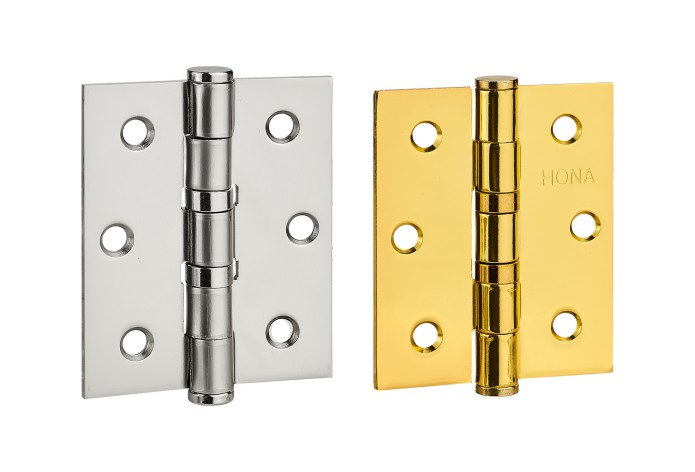
Stainless steel hinges are corrosion-resistant, making them ideal for doors exposed to weather or moisture. They are durable and can withstand the elements, making them a top choice for exterior doors, especially in coastal areas where salt can accelerate corrosion. Stainless steel is also the material of choice for heavy-duty applications where strength and longevity are essential.
Brass hinges offer an elegant appearance and are highly resistant to corrosion, making them ideal for both interior and exterior doors. Brass provides a classic look that pairs well with traditional or antique-style doors. While they are more expensive than other materials, they offer superior aesthetics and long-lasting durability, especially in environments that require resistance to tarnishing and wear.
Steel hinges are the most common and affordable option. They provide excellent strength, making them suitable for heavy-duty doors. Steel hinges are often coated with a protective finish to enhance their resistance to rust and corrosion. For interior or industrial doors, steel is a cost-effective and strong material choice.
| Door Type | Recommended Hinge Type | Material | Best Use Case |
|---|---|---|---|
| Interior Doors | Butt Hinge | Brass, Steel | Lightweight, everyday use |
| Exterior Doors | Ball Bearing Hinge | Stainless Steel | Heavy-duty, high-traffic areas |
| Cabinet Doors | Concealed Hinge | Brass, Steel | Sleek, modern designs, interior |
| Heavy Doors | Steel or Ball Bearing Hinge | Steel, Stainless Steel | Commercial, high-traffic use |
| Security Doors | Security Hinge | Steel | High-security areas |
To keep your door hinges functioning smoothly, it’s important to clean them regularly. Use a soft cloth and non-abrasive cleaner to remove any dust or debris that may accumulate. This will ensure the hinge doesn’t wear down prematurely, maintaining its ability to operate efficiently. Regular cleaning also prevents dirt buildup, which can cause friction and interfere with smooth door movement.
Applying lubricant to the hinge pin reduces friction and helps the hinge operate more smoothly. It also prevents wear and tear, extending the hinge’s lifespan. Be sure to check the screws periodically to ensure they are tight and that the hinge is secure. Loose screws can cause the door to sag or not align properly, affecting its function.
Tip: Regular lubrication and tightening of screws prevent issues with hinge performance, especially for high-traffic doors.
Outdoor hinges are especially vulnerable to rust due to exposure to the elements. Use rust inhibitors or sprays to protect the hinges from moisture damage. For heavily used hinges or those in humid environments, consider using stainless steel or brass hinges, which are naturally more resistant to rust and corrosion. Early treatment of rust can prevent long-term damage and ensure smooth operation.
Different doors require different types of hinges. For example, lightweight interior doors might only need simple butt hinges, while heavy exterior doors may require ball-bearing or steel hinges to support their weight. Always consider the door’s function and environment when selecting a hinge to ensure it operates properly.
Heavier doors require hinges that can support the additional weight. Ball-bearing and continuous hinges are ideal for these applications, as they provide long-lasting durability and smooth operation. These hinges reduce friction and wear, making them perfect for commercial or heavy-duty doors.
Selecting the right hinge size is essential to ensure that the hinge can support the weight of the door and allow for smooth operation. The hinge should be proportional to the door size to ensure proper balance and support. Incorrectly sized hinges can cause the door to misalign, resulting in difficulty opening and closing.
When selecting a hinge based on functionality, consider the specific needs of your door. For instance, if you want your door to close automatically after being opened, spring hinges are an excellent choice. These hinges use internal springs to pull the door back to its closed position, making them ideal for doors that need to be kept closed, such as on screen doors or fire doors. Soft-close hinges, on the other hand, are designed to prevent slamming, offering a smooth, gradual closure. This feature is especially useful in high-traffic areas where frequent use could cause damage or excessive noise. These hinges combine functionality with convenience and noise reduction.
Security hinges are designed to prevent unauthorized removal of the door. They typically feature non-removable pins, making it difficult for intruders to tamper with the hinge. Security hinges are commonly used in high-risk environments such as prisons, hospitals, or other secured buildings.
Double-action hinges allow doors to swing in both directions, making them ideal for spaces like kitchens, dining rooms, or commercial environments where frequent traffic is expected from both sides. These hinges ensure easy access from either direction, enhancing convenience.
For doors that need an aesthetic touch, decorative hinges offer both functionality and style. These hinges are often used in high-end or antique door designs, adding a classic or vintage look to the door. Decorative hinges are perfect for homeowners looking to add an elegant touch to their doors or cabinets.
Specialty hinges, such as self-closing and pivot hinges, provide tailored solutions for specific door applications. Self-closing hinges are ideal for doors that need to close automatically after being opened, making them perfect for high-traffic areas like kitchens, bathrooms, or commercial spaces. They ensure the door stays securely shut without manual effort, enhancing both convenience and security. Pivot hinges, on the other hand, are designed to support heavy-duty doors that swing from a central pivot point rather than from the side. These hinges are often used for larger doors or applications where traditional side-hinged doors aren’t practical.
Choosing the right door hinge is essential for both functionality and security. FOACHI provides high-quality door hardware that ensures smooth operation and long-lasting durability. Whether you need a heavy-duty hinge for exterior doors or a sleek concealed hinge for interior doors, understanding the various hinge types and their materials will help you make an informed decision. By considering door size, weight, material, and functionality, you can ensure that your door will operate smoothly for years to come.
A: Door hinges are essential door hardware components that allow doors to swing open and closed. They provide the necessary pivoting mechanism to support the door’s weight and ensure smooth movement.
A: When selecting door hinges, consider the door's weight, material, and intended use. For heavy doors, opt for ball-bearing or steel hinges for added durability. For aesthetic needs, concealed hinges are ideal.
A: Butt hinges are commonly used in residential settings, providing reliable support. Ball bearing hinges, a type of door hardware, reduce friction, making them ideal for high-traffic and heavy doors.
A: Soft-close hinges are designed to prevent doors from slamming shut, providing a smoother and quieter closing experience. They are ideal for door hardware in kitchens or areas with frequent door use.
A: Regular cleaning and lubrication can extend the life of door hinges. Make sure to tighten any loose screws and remove debris that may cause friction or wear.