Introduction
Have you ever considered how a simple door lock can affect the security of an entire building? The components inside a door lock are essential to its functionality and security. For architects, understanding these parts is crucial when designing spaces that are both secure and accessible. From the basic cylinder to advanced locking mechanisms, every detail plays a role in ensuring that doors provide reliable protection. In this article, we will break down the key components of door locks, explain their functions, and highlight their importance in architectural design. You'll gain insights on how to choose the right door lock for different building needs.
Core Components of a Door Lock
Cylinder
The cylinder is the central element of any door lock, where the key is inserted. Inside the cylinder, pins and springs align to allow the key to turn and unlock the mechanism. Different types of cylinders offer various levels of security, such as anti-pick and anti-drill features, which prevent unauthorized access. Architects need to carefully consider the security needs of the space to select the appropriate door lock cylinder. Choose cylinders with higher security features to prevent picking and tampering, especially for high-risk buildings.
Latch and Bolt Mechanism
The latch or bolt extends into the door frame to secure the door in place. Latches are spring-loaded and easily retracted, while deadbolts provide additional resistance, making them ideal for security. The strength of these mechanisms determines the overall door lock security. Architects must choose between spring-latch mechanisms for convenience or deadbolts for enhanced security.
Strike Plate
The strike plate is the metal plate installed on the door frame that holds the bolt or latch. It plays a critical role in reinforcing the door and frame to prevent forced entry. The choice of strike plate is important, as it helps to distribute the pressure during an attempted break-in. Architects should ensure that the strike plate fits securely and is strong enough to withstand external force.
Table of Key Door Lock Components
This table outlines the essential components of a door lock, their functions, their impact on security, and the architectural considerations that architects should take into account when selecting and designing door locking systems.
| Component | Function | Security Impact | Architectural Considerations |
| Cylinder | Houses pins and springs that align with the key to unlock the door. | Essential for basic security; anti-pick and anti-drill features prevent tampering. | Choose a cylinder with anti-pick features for high-risk spaces. |
| Latch and Bolt | Extends into the frame to secure the door. | The strength of the bolt or latch directly impacts security. | Use deadbolts for enhanced security in high-traffic areas. |
| Strike Plate | Reinforces the door frame, catching the bolt/latch. | Distributes the pressure from forced entry attempts. | Ensure a sturdy, properly aligned strike plate for maximum security. |
Tip: Ensure that all components, including the strike plate and cylinder, are reinforced and of high quality to provide maximum security, especially in high-risk environments.
Additional Locking Components
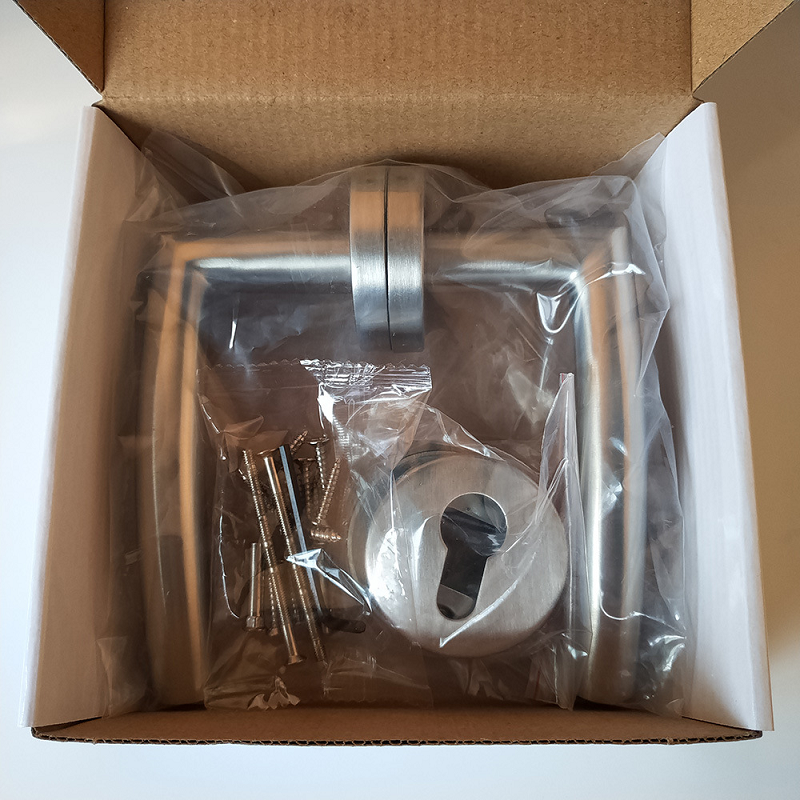
Handle or Knob
The handle or knob is used to operate the lock. Lever handles are preferred in ADA-compliant designs, as they are easier to operate, particularly for people with limited strength. Round knobs, while commonly used, require a firm grip and twisting motion, which can be difficult for those with disabilities. Architects should focus on handles that are both functional and ergonomic.
Tip: Consider lever handles for better accessibility and ease of use.
Spindle
The spindle plays a crucial role in the operation of a door lock, as it connects the handle or knob to the internal locking mechanism. When the handle is turned, the spindle transmits the motion, activating the lock. Although often overlooked, the spindle is vital for smooth and consistent operation. If the spindle is made from low-quality material or improperly aligned, it can cause jamming or malfunctioning of the lock. Architects should prioritize selecting a durable spindle made from high-quality materials like steel and ensure it is properly installed and aligned to ensure long-lasting functionality and reliability.
Faceplate and Escutcheon
The faceplate is attached to the edge of the door and protects the internal locking mechanism from external damage. The escutcheon surrounds the keyhole, providing protection and aesthetic value. Both of these components contribute to the overall security and design of the door. When selecting a door lock, architects should choose faceplates and escutcheons that complement the door's style and reinforce its security.

Lock Types and Their Components
Deadbolts
Deadbolts are one of the most secure door locks available. They feature a solid metal bolt that extends into the door frame, providing resistance against forced entry. Deadbolts come in two main types: single-cylinder and double-cylinder. Single-cylinder deadbolts are commonly used for residential buildings, while double-cylinder deadbolts offer added security by requiring a key on both sides of the door. Use double-cylinder deadbolts for high-security areas where external access may be a concern.
Mortise Locks
Mortise locks are built into the door itself, providing greater strength and security than surface-mounted locks. These locks consist of several components, including the lock body, deadbolt, and latch, which work together to secure the door. Mortise locks are commonly used in commercial settings and older buildings due to their durability and security.
Tip: Mortise locks are ideal for commercial applications, providing robust security with ease of use.
Smart Locks
Smart locks are the latest innovation in door lock technology. These locks can be controlled remotely via smartphones, keypads, or even biometrics, offering convenience and advanced security features. Smart locks include components such as the motor, control system, and connectivity modules. Architects should be familiar with how these components work together to integrate smart locks into modern building designs.
How Door Lock Components Work Together
Keyway and Key Pins
The keyway is the slot where the key is inserted, and the key pins are the small components inside the lock cylinder that interact with the key. These parts must be precisely engineered to ensure that only the correct key can turn the lock. The keyway and key pins work in unison to provide security, preventing unauthorized access to the building. Select door locks with high-security keyways to reduce the risk of unauthorized key duplication.
Locking Mechanism
The locking mechanism refers to the internal system of gears, springs, and levers that control the movement of the latch or bolt. The mechanism must operate smoothly to allow easy locking and unlocking without compromising security. Architects must choose mechanisms that are both reliable and durable, ensuring that the door remains secure over time.
Reinforcement Components
Many door locks come with reinforced strike plates and anti-pick features to enhance security. These components are designed to prevent tampering and forced entry. Architects should prioritize these reinforcement features, especially in high-risk buildings such as offices or government facilities.
Tip: Ensure that reinforcement components are integrated into your door lock design for added security.
Maintenance and Troubleshooting Door Locks
Lubrication
Regular lubrication is crucial for maintaining the smooth operation of door locks. Over time, friction from the internal components can cause the lock to become stiff or jam, compromising its functionality and security. Proper lubrication reduces wear and tear, ensuring that the lock continues to operate smoothly. Architects should advise building owners to use the right type of lubricant, such as graphite or silicone-based sprays, and recommend a maintenance schedule for periodic lubrication. This proactive approach will help extend the lifespan of the door lock, preventing costly repairs and ensuring reliable security.
Tightening and Adjusting
Loose or misaligned door lock parts can significantly compromise security, as they may make the lock easier to tamper with or fail to properly secure the door. Regularly checking that all parts are tightly fastened and correctly aligned is crucial for the lock’s overall effectiveness. Architects should be familiar with common lock issues, such as sticking bolts or misaligned latch mechanisms, and ensure these problems are addressed during installation. Understanding how to troubleshoot these issues ensures that door locks maintain their integrity and continue to function properly, providing reliable security for the building over time.
Upgrading Locks for Better Security
As technology advances, upgrading to higher-security door locks may be necessary. Architects should stay informed about the latest lock technologies, such as smart locks or high-security deadbolts, to recommend upgrades that meet evolving security needs. Keep up-to-date with the latest lock technologies to provide clients with the highest level of security.
Conclusion
Understanding the components of door locks is essential for architects designing secure buildings. FOACHI provides a range of durable, reliable, and innovative door locks that meet both security and design standards. Key elements like the cylinder, latch, strike plate, and bolt mechanism all play significant roles in security and functionality. By incorporating the right locks and components into building designs, architects can ensure that doors provide the necessary security while maintaining aesthetic appeal and accessibility.
FAQ
Q: What are the key components of a door lock?
A: The key components of a door lock include the cylinder, latch or bolt, strike plate, and handle. These parts work together to secure the door, ensuring both functionality and security.
Q: Why is the cylinder important in a door lock?
A: The cylinder is crucial because it houses the mechanism that interacts with the key. It determines the security level of the lock by incorporating features like anti-pick and anti-drill designs.
Q: How do deadbolts enhance door lock security?
A: Deadbolts provide added security by extending a solid metal bolt into the door frame, making it more resistant to forced entry compared to traditional latches.
Q: How often should door locks be maintained?
A: Regular maintenance of door locks, including lubrication and tightening, is essential to ensure smooth operation and prolong the lifespan of the lock mechanism.
Q: What is a smart lock, and how does it work?
A: A smart lock is a modern door lock that can be controlled remotely via smartphones, keypads, or biometrics, offering enhanced convenience and security through digital features.