close
Choose Your Site
Global
Social Media
Views: 0 Author: Site Editor Publish Time: 2025-12-12 Origin: Site
Did you know that choosing the right hinge can significantly impact your door's performance? Door hardware is often overlooked, but it’s crucial for smooth operation and durability. The type of hinge you choose affects both functionality and security, especially in commercial spaces. In this article, we will guide you through the process of selecting the best commercial door hinge for your needs. You will learn about different hinge types, materials, and factors to consider for optimal performance and security in your business or facility.
Butt hinges are the most common type of hinge found in commercial settings. These hinges consist of two plates, which are connected by a pin. They are ideal for doors of medium weight and offer a simple, reliable solution for most commercial applications. Butt hinges are easy to install, durable, and provide a solid connection, making them suitable for interior and exterior doors in office spaces and other commercial environments.
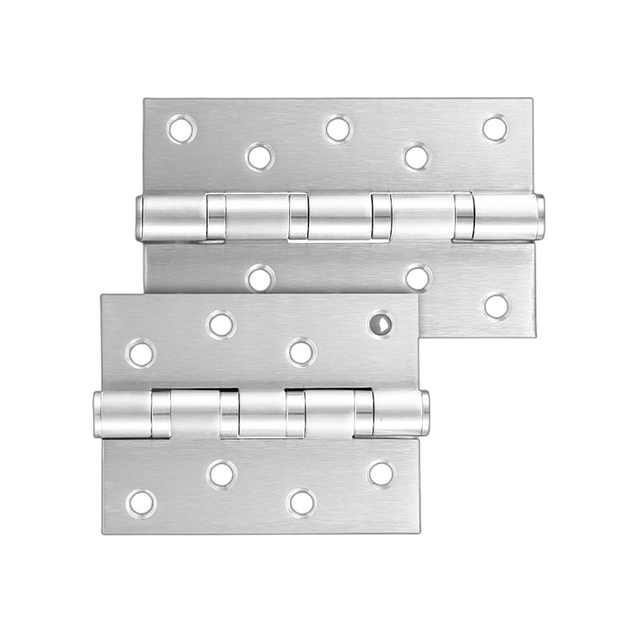
For high-traffic commercial areas, ball bearing hinges are an excellent choice. These hinges use ball bearings between the two leaves to reduce friction and ensure smooth door movement. The added bearings make them particularly suited for heavy-duty doors that undergo frequent use, such as in schools, hospitals, and commercial office buildings. Ball bearing hinges also require less maintenance and offer superior durability over time.
Continuous hinges, also known as piano hinges, span the full length of the door and frame. This design helps distribute the weight evenly, making them ideal for heavy-duty commercial doors. Continuous hinges are commonly used in facilities where the door must endure high levels of wear and tear, such as warehouses or industrial spaces. They are highly durable and provide exceptional support for large or heavy doors.
Concealed hinges are typically used in commercial spaces where aesthetics matter. These hinges are hidden from view when the door is closed, creating a clean and modern appearance. They are often found in high-end office spaces or retail environments where the door’s appearance is crucial. Despite being invisible when the door is shut, concealed hinges are adjustable, ensuring precise alignment for perfect door operation.
Spring hinges are a functional choice for commercial doors that need to close automatically. These hinges use an internal spring mechanism to pull the door shut after it has been opened. Spring hinges are commonly used in fire doors, security doors, or other commercial applications where keeping the door closed at all times is a priority. They offer added convenience while ensuring safety and security.
One of the most important factors when selecting a commercial door hinge is the weight of the door. Heavier doors require stronger hinges to bear the load and operate smoothly. It's essential to choose a hinge that can support the weight of the door without causing unnecessary strain. For example, ball bearing hinges are ideal for heavy-duty doors, while butt hinges are better suited for lighter doors.
Tip: Always check the door’s weight and select a hinge that matches its load capacity. This ensures the door operates efficiently without damaging the frame or hinge.
The frequency of door use should influence your hinge selection. For high-traffic areas like office entrances or warehouses, durable hinges designed for frequent use, like ball bearing or continuous hinges, will provide optimal performance and longevity. On the other hand, for low-traffic areas, simpler hinges like butt hinges may be sufficient.
Tip: For high-traffic doors, select hinges with ball bearings to reduce wear and ensure smooth operation for longer periods.
The material of the hinge affects its strength and its resistance to environmental factors. Stainless steel is commonly used for exterior doors because it’s corrosion-resistant and highly durable. Brass and bronze are more suitable for interior doors, offering both aesthetic appeal and durability. Consider your building’s environment when choosing hinge material to ensure long-lasting performance.
Tip: For exterior doors exposed to harsh weather, always choose stainless steel hinges for maximum corrosion resistance and durability.
When selecting a hinge for a commercial setting, security is a critical factor. Non-removable pins or fire-rated hinges are essential for high-security areas such as hospitals, banks, and prisons. These features prevent unauthorized tampering and enhance the safety of your doors. Additionally, fire-rated hinges ensure that the door remains intact during a fire, providing protection and compliance with safety standards.
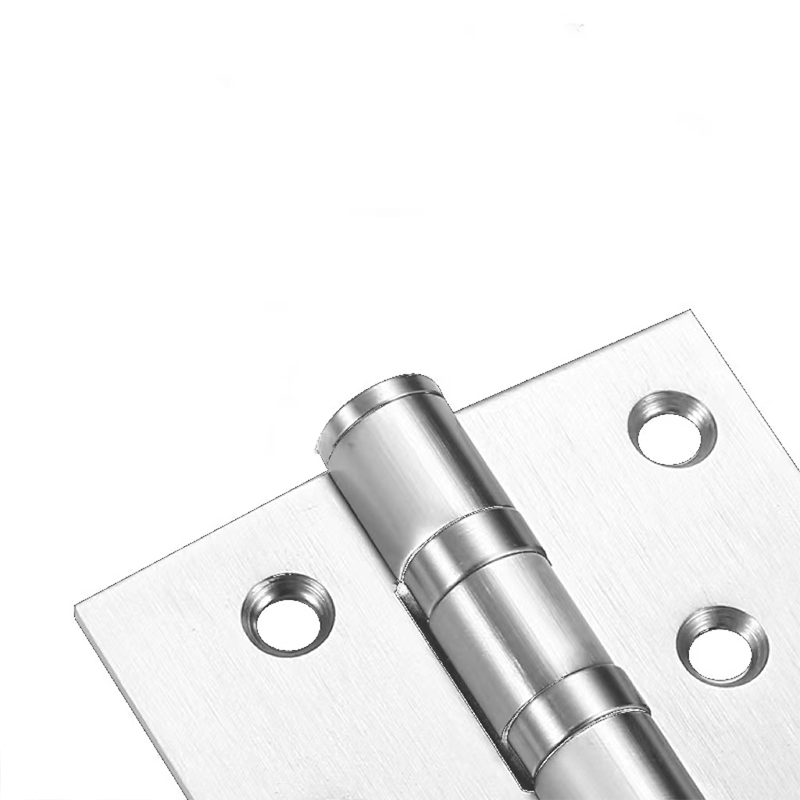
Before selecting a hinge, it’s important to accurately measure your door’s dimensions. Knowing the door’s thickness, width, and height will help you choose the correct hinge size for proper alignment and smooth operation. Incorrect sizing can lead to misalignment, making the door difficult to open and close.
Consider the weight of the door when selecting the hinge size. A hinge must be able to support the door’s weight and ensure smooth operation. If the door is heavy or experiences frequent use, opt for heavy-duty hinges like ball bearing hinges or continuous hinges, which are designed to handle increased weight and stress.
Proper hinge placement is essential for ensuring that the door opens and closes smoothly. Typically, hinges should be placed about 5 inches from the top and 10 inches from the bottom of the door. This placement helps avoid sagging and ensures that the door functions properly.
To calculate the correct hinge size, take into account the door’s weight, size, and usage. The hinge should be sized appropriately to bear the weight of the door without compromising performance. Selecting a hinge that’s too small can result in premature wear, while a hinge that’s too large may cause unnecessary strain on the door frame.
| Hinge Type | Best Use | Material | Key Benefits |
|---|---|---|---|
| Butt Hinges | Medium-weight doors | Brass, Steel | Simple installation, reliable, cost-effective |
| Ball Bearing Hinges | High-traffic, heavy-duty doors | Stainless Steel, Brass | Smooth operation, low maintenance |
| Continuous Hinges | Heavy-duty commercial doors | Stainless Steel, Steel | Even load distribution, excellent durability |
| Concealed Hinges | Aesthetic-focused commercial spaces | Steel, Brass | Modern look, adjustable alignment |
| Spring Hinges | Fire and security doors | Steel, Stainless Steel | Automatic closure, ideal for high-security areas |
Proper installation is key to ensuring that the commercial door hinge functions correctly and lasts for years. It’s important to align the hinge properly and use the appropriate screws and anchors to avoid misalignment. Incorrect installation can lead to door sagging, improper door function, and damage to the hinge.
Maintaining your hinges with regular lubrication and checking for loose screws will help extend their lifespan. Lubrication reduces friction and prevents wear, ensuring the door operates smoothly. Be sure to inspect the hinges regularly for any signs of damage or misalignment.
Tip: Lubricate the hinge pins and check for loose screws periodically to maintain smooth operation.
If you notice issues such as squeaky hinges, misalignment, or door sagging, it’s important to address them promptly. These common hinge problems can be fixed by adjusting the hinge, tightening screws, or applying lubricant. Regular maintenance will help prevent these issues from affecting the door’s performance.
Hinges can wear out over time due to frequent use, environmental conditions, or poor maintenance. Replacing worn hinges promptly can prevent door damage and ensure the door continues to function properly. Knowing when it’s time to replace a hinge is crucial for maintaining door performance.
For areas requiring high security, such as banks, government buildings, or secure facilities, choosing tamper-resistant hinges is essential. Hinges with non-removable pins help prevent unauthorized access, enhancing the overall security of the building.
In commercial environments where aesthetics are important, such as in retail spaces or office buildings, concealed hinges or decorative hinges provide functionality without sacrificing design. These hinges are often used to maintain a clean, modern look while ensuring the door operates smoothly.
In buildings that need to meet fire safety codes, fire-rated hinges are a must. These hinges are designed to withstand high temperatures and prevent doors from warping during a fire, providing an essential safety feature for commercial buildings.
For commercial doors exposed to outdoor elements, selecting hinges made from rust-resistant materials like stainless steel will ensure the door remains operational in all weather conditions. These hinges are built to withstand moisture, salt, and extreme temperatures.
Selecting the right commercial door hinge depends on the door's weight, usage, and environment. FOACHI offers high-quality door hardware solutions designed for commercial applications, ensuring durability, security, and smooth operation. Factors like material, security features, and fire ratings are essential to ensuring your doors perform well. By choosing the appropriate hinge, you can enhance the longevity and functionality of your commercial doors.
A: A commercial door hinge is a type of door hardware designed for use in commercial settings. These hinges are durable and strong enough to support heavy, high-traffic doors, ensuring smooth and reliable operation.
A: When selecting a commercial door hinge, consider factors like door weight, traffic frequency, material durability, and security features. Choose a hinge that matches the door’s needs for optimal performance.
A: Ball bearing hinges are ideal for high-traffic commercial doors because they reduce friction, ensuring smooth movement and minimal wear. They are a durable option for busy environments, providing long-lasting performance.
A: Stainless steel is often the best material for commercial door hardware, as it’s corrosion-resistant and can handle heavy usage. Brass and steel are also good options for specific commercial needs.